
Home ← Back

Author: VinForFree Vehicle Experts

  • BMW VIN Decoder – Free BMW VIN Lookup, Specs, Engine, Recalls & Vehicle History

    BMW VIN Decoder – Free BMW VIN Lookup, Specs, Engine, Recalls & Vehicle History

    BMW VIN Decoder – Free BMW VIN Lookup, Specs, Engine, Recalls & Vehicle History

    If you’re shopping for a used BMW or researching your current vehicle, a BMW VIN Decoder can provide valuable information in seconds. Every BMW vehicle has a unique 17-character Vehicle Identification Number (VIN) that contains details about its manufacturing history, engine specifications, trim level, safety equipment, and more.

    Using the free BMW VIN Decoder from VinForFree allows you to verify vehicle details before purchasing, selling, or insuring a BMW. Whether you’re looking at a BMW 3 Series, 5 Series, X3, X5, M3, M5, or another model, decoding the VIN helps confirm exactly what vehicle you’re dealing with.

    If you’re comparing multiple brands, you may also want to check our Ford VIN Decoder, Toyota VIN Decoder, Honda VIN Decoder, Chevrolet VIN Decoder, Tesla VIN Decoder, and Nissan VIN Decoder guides.

    What Is a BMW VIN Number?

    A Vehicle Identification Number (VIN) is a unique code assigned to every BMW manufactured for road use. Since 1981, VINs have consisted of 17 characters that identify specific vehicle information.

    A BMW VIN can reveal:

    • Model
    • Engine type
    • Trim level
    • Body style
    • Country of manufacture
    • Model year
    • Assembly plant
    • Production sequence

    Because no two vehicles share the same VIN, it serves as the vehicle’s fingerprint throughout its lifetime.

    Where Can You Find a BMW VIN?

    BMW VINs can typically be found in several locations:

    • Driver-side dashboard near the windshield
    • Driver-side door jamb
    • Vehicle registration
    • Insurance card
    • Vehicle title
    • Service records

    Always verify that the VIN matches across all documents before purchasing a used BMW.

    Understanding BMW VIN Characters

    Each section of the VIN has a specific meaning.

    Characters 1–3: World Manufacturer Identifier (WMI)

    Common BMW WMIs include:

    • WBA – BMW passenger vehicles
    • WBS – BMW M performance vehicles
    • 5UX – BMW SUVs built in the United States
    • WBX – BMW compact crossover vehicles

    Characters 4–8: Vehicle Description

    These characters identify:

    • Model series
    • Body style
    • Engine configuration
    • Safety systems
    • Trim information

    Character 9: Check Digit

    Used to verify VIN accuracy and identify invalid VIN numbers.

    Character 10: Model Year

    Examples include:

    • R = 2024
    • S = 2025
    • T = 2026

    Character 11: Assembly Plant

    Identifies where the BMW was manufactured.

    Characters 12–17: Production Sequence

    Unique serial number assigned to that specific vehicle.

    Popular BMW Models You Can Decode

    Our BMW VIN Decoder works with nearly every BMW model, including:

    • BMW 2 Series
    • BMW 3 Series
    • BMW 4 Series
    • BMW 5 Series
    • BMW 7 Series
    • BMW 8 Series
    • BMW X1
    • BMW X3
    • BMW X5
    • BMW X7
    • BMW Z4
    • BMW i4
    • BMW i5
    • BMW i7
    • BMW iX
    • BMW M2
    • BMW M3
    • BMW M4
    • BMW M5

    Whether you’re buying a luxury sedan, SUV, sports car, or electric vehicle, VIN decoding helps verify important vehicle information.

    Why Decode a BMW VIN Before Buying?

    Luxury vehicles often come with numerous trims, options, and engine configurations.

    A VIN lookup helps verify:

    • Engine size
    • Factory options
    • Drivetrain configuration
    • Original trim level
    • Production year
    • Manufacturing location

    This helps prevent misunderstandings when purchasing a used BMW from a private seller or dealership.

    Before purchasing, many buyers also use a free VIN Decoder to verify factory specifications and vehicle information.

    Check BMW Recalls

    Vehicle recalls are an important part of researching any used vehicle.

    BMW recalls may involve:

    • Airbag systems
    • Brake components
    • Steering systems
    • Electrical issues
    • Fuel systems
    • Battery systems

    You can search official recall information through the National Highway Traffic Safety Administration (NHTSA).

    https://www.nhtsa.gov/recalls

    Checking for open recalls can help identify safety issues that may still require repair.

    BMW Vehicle History Research

    A VIN decoder provides manufacturing data and specifications, but buyers should also investigate vehicle history whenever possible.

    A vehicle history report may reveal:

    • Previous accidents
    • Salvage title history
    • Flood damage
    • Theft records
    • Odometer discrepancies
    • Ownership history

    Combining VIN decoding with vehicle history research provides a more complete picture of the vehicle.

    BMW Electric Vehicle VIN Decoding

    BMW’s electric vehicle lineup continues to grow rapidly.

    Popular EV models include:

    • BMW i4
    • BMW i5
    • BMW i7
    • BMW iX

    Decoding the VIN can help identify:

    • Battery configuration
    • Production year
    • Trim level
    • Manufacturing plant
    • Factory equipment

    This information can be especially valuable when shopping for a used electric vehicle.

    Why Use VinForFree’s BMW VIN Decoder?

    Our BMW VIN Decoder helps drivers quickly access important vehicle information without paying for a basic VIN lookup.

    Benefits include:

    • Free VIN decoding
    • Vehicle specifications
    • Engine information
    • Manufacturing details
    • Recall resources
    • Mobile-friendly reports
    • Fast lookup results

    Whether you’re purchasing, selling, or researching a BMW, decoding the VIN is one of the easiest ways to verify important information and make a more informed decision.

  • Nissan VIN Decoder – Free Nissan VIN Lookup, Specs, Engine, Recalls & Vehicle History

    Nissan VIN Decoder – Free Nissan VIN Lookup, Specs, Engine, Recalls & Vehicle History

    Nissan VIN Decoder – Free Nissan VIN Lookup, Specs, Engine, Recalls & Vehicle History

    If you’re shopping for a used Nissan or simply want to learn more about your current vehicle, using a Nissan VIN Decoder is one of the smartest first steps you can take. Every Nissan vehicle is assigned a unique 17-character Vehicle Identification Number (VIN) that contains valuable information about the vehicle’s manufacturing details, engine, trim level, safety equipment, and more.

    At VinForFree, our free Nissan VIN Decoder helps drivers quickly identify important vehicle information before making a purchase decision. Whether you’re researching a Nissan Altima, Rogue, Sentra, Pathfinder, Murano, Frontier, Titan, or another model, decoding the VIN can reveal details that aren’t always obvious from photos or seller descriptions.

    What Is a Nissan VIN Number?

    A Vehicle Identification Number (VIN) is a unique 17-character code assigned to every vehicle manufactured after 1981. Think of it as the vehicle’s fingerprint. No two vehicles share the same VIN.

    A Nissan VIN contains information about:

    • Manufacturer
    • Country of origin
    • Vehicle type
    • Engine specifications
    • Body style
    • Model year
    • Assembly plant
    • Production sequence number

    When you enter a Nissan VIN into our decoder, you’ll instantly gain access to vehicle specifications and manufacturing data.

    Where Can You Find a Nissan VIN?

    You can typically locate a Nissan VIN in several places:

    • Driver-side dashboard near the windshield
    • Driver-side door jamb sticker
    • Vehicle registration
    • Insurance documents
    • Vehicle title
    • Service records

    Always verify that the VIN matches across all documents before purchasing a used vehicle.

    Understanding Nissan VIN Characters

    A Nissan VIN contains 17 characters divided into several sections.

    Characters 1–3: World Manufacturer Identifier (WMI)

    These characters identify the manufacturer.

    Common Nissan WMIs include:

    • 1N4 – Nissan passenger vehicles built in the United States
    • 3N1 – Nissan vehicles built in Mexico
    • JN1 – Nissan vehicles built in Japan
    • JN8 – Nissan SUVs and crossovers built in Japan

    Characters 4–8: Vehicle Description

    These characters identify:

    • Model
    • Body style
    • Engine type
    • Safety systems
    • Trim level

    Character 9: Check Digit

    Used to verify VIN authenticity and detect invalid VINs.

    Character 10: Model Year

    Examples include:

    • R = 2024
    • S = 2025
    • T = 2026

    Character 11: Assembly Plant

    Indicates where the vehicle was built.

    Characters 12–17: Production Number

    These digits represent the vehicle’s unique production sequence.

    Popular Nissan Models You Can Decode

    Our Nissan VIN Decoder works with nearly every Nissan model, including:

    • Nissan Altima
    • Nissan Sentra
    • Nissan Versa
    • Nissan Maxima
    • Nissan Rogue
    • Nissan Pathfinder
    • Nissan Murano
    • Nissan Armada
    • Nissan Frontier
    • Nissan Titan
    • Nissan Leaf
    • Nissan Ariya
    • Nissan Z

    Whether you’re researching a daily commuter or a performance vehicle, the VIN provides critical information that can help verify vehicle details.

    Why Decode a Nissan VIN Before Buying?

    Many used vehicle buyers rely only on seller descriptions. Unfortunately, listings can contain errors or incomplete information.

    A VIN lookup can help verify:

    • Engine size
    • Transmission type
    • Trim level
    • Factory-installed equipment
    • Model year
    • Manufacturing location

    This helps buyers confirm that the vehicle matches the advertised specifications.

    Check Nissan Safety Recalls

    Vehicle recalls are another important reason to decode a Nissan VIN.

    Manufacturers occasionally issue recalls for safety-related defects involving:

    • Airbags
    • Brakes
    • Steering systems
    • Electrical components
    • Fuel systems

    The National Highway Traffic Safety Administration maintains an official recall database that consumers can search using their VIN.

    You can learn more about recall information through the National Highway Traffic Safety Administration (NHTSA):
    https://www.nhtsa.gov/recalls

    Checking recalls before purchasing a used Nissan can help you identify unresolved safety issues.

    Research Vehicle History Before You Buy

    A VIN decoder provides vehicle specifications, but it’s also important to investigate vehicle history whenever possible.

    Potential issues may include:

    • Previous accidents
    • Salvage titles
    • Flood damage
    • Theft records
    • Odometer discrepancies

    Combining VIN decoding with a vehicle history report gives buyers a more complete picture of a vehicle’s past.

    Nissan VIN Decoder for Electric Vehicles

    Nissan remains one of the leaders in affordable electric vehicles.

    Models such as the Nissan Leaf and Nissan Ariya can also be decoded using our VIN lookup tool.

    For EVs, VIN data may reveal:

    • Battery configuration
    • Manufacturing location
    • Trim information
    • Safety equipment
    • Production year

    This information is especially useful when evaluating used electric vehicles.

    Why Use VinForFree’s Nissan VIN Decoder?

    Our Nissan VIN Decoder provides quick access to important vehicle information without requiring a paid subscription.

    Benefits include:

    • Free VIN lookup
    • Instant results
    • Vehicle specifications
    • Engine details
    • Recall information
    • Safety data
    • Mobile-friendly reports

    Whether you’re buying, selling, or researching a Nissan vehicle, decoding the VIN is one of the easiest ways to verify important information before making a decision.

    Start your free Nissan VIN lookup today and discover exactly what your VIN reveals.

    Related VIN Decoder Guides section at bottom

  • Chevrolet VIN Decoder – Free Chevy VIN Lookup (All Models 2026)

    Chevrolet VIN Decoder – Free Chevy VIN Lookup (All Models 2026)

    Chevrolet VIN Decoder – Free Chevy VIN Lookup for Silverado, Tahoe, Suburban & More

    A Chevrolet VIN Decoder allows you to instantly identify important information about any Chevrolet vehicle using its unique Vehicle Identification Number (VIN). Whether you’re buying a used Chevy, researching recalls, verifying factory specifications, or checking installed equipment, a Chevrolet VIN lookup can provide valuable information in seconds.

    At VinForFree, our free VIN tools help drivers, buyers, and sellers better understand the vehicles they own or are considering purchasing. You can use our Free VIN Check Tool to decode Chevrolet VINs and access vehicle information instantly.

    What Is a Chevrolet VIN?

    Every Chevrolet vehicle receives a unique 17-character VIN when it leaves the factory. This VIN acts as the vehicle’s permanent identifier and contains information about the manufacturer, model, production year, body style, engine type, safety systems, and manufacturing plant.

    You can usually find your Chevrolet VIN:

    • On the driver’s side dashboard
    • Inside the driver’s door jamb
    • On vehicle registration documents
    • On insurance paperwork
    • On the vehicle title

    Because every VIN is unique, it is one of the most reliable ways to identify and verify a vehicle.

    Why Use a Chevrolet VIN Decoder?

    A Chevrolet VIN Decoder helps verify that a vehicle matches the seller’s description and provides important information before purchase.

    A VIN lookup can reveal:

    • Vehicle model
    • Production year
    • Engine information
    • Body style
    • Manufacturer details
    • Safety equipment
    • Recall information
    • Vehicle classification
    • Manufacturing location

    This information is especially useful when purchasing a used Chevrolet from a dealership, private seller, online marketplace, or vehicle auction.

    Popular Chevrolet Models Supported

    Our Chevrolet VIN Decoder supports nearly every Chevrolet model sold in North America.

    Chevrolet Silverado

    The Chevrolet Silverado is one of America’s best-selling pickup trucks and is known for towing capability, durability, and strong engine options.

    Chevrolet Tahoe

    The Tahoe is a full-size SUV popular with families, businesses, and drivers who need maximum passenger space.

    Chevrolet Suburban

    The Suburban is one of the longest-running vehicle nameplates in America and remains a top choice for large families and commercial use.

    Chevrolet Equinox

    The Equinox is Chevrolet’s popular compact SUV offering practicality, efficiency, and modern technology.

    Chevrolet Traverse

    The Traverse provides three-row seating, family-friendly features, and excellent cargo capacity.

    Chevrolet Malibu

    The Malibu remains a popular midsize sedan known for comfort and fuel efficiency.

    Understanding Chevrolet VIN Numbers

    A Chevrolet VIN contains several sections that identify important vehicle characteristics.

    Example VIN:

    1GCUDEED5RZ123456

    The VIN can identify:

    • Manufacturer
    • Vehicle type
    • Model
    • Engine type
    • Body style
    • Model year
    • Assembly plant
    • Production sequence

    VIN decoding helps ensure that the vehicle you are researching matches the information advertised by the seller.

    Chevrolet Recall Information

    Before purchasing any used Chevrolet, it is important to verify whether the vehicle has unresolved recalls.

    The National Highway Traffic Safety Administration maintains a public recall database that allows vehicle owners and buyers to search for active recalls using a VIN.

    You can check recalls through:

    NHTSA Recall Lookup

    Checking recalls is a simple step that can help identify safety issues, manufacturer repair campaigns, and important service updates.

    Chevrolet VIN Lookup for Used Car Buyers

    A Chevrolet VIN lookup can help answer important questions before making a purchase.

    Many buyers use VIN decoding to verify:

    • Vehicle identity
    • Model year
    • Factory specifications
    • Engine information
    • Recall status
    • Manufacturing details
    • Body style
    • Drive configuration

    Verifying VIN information helps reduce the risk of purchasing a vehicle with inaccurate or misleading listing details.

    Chevrolet Manufacturing Locations

    Chevrolet vehicles are produced in multiple manufacturing facilities across North America.

    Depending on the VIN, your Chevrolet may have been assembled in:

    • Michigan, United States
    • Indiana, United States
    • Texas, United States
    • Missouri, United States
    • Canada
    • Mexico

    Manufacturing location information can often be identified through VIN decoding and may help buyers better understand vehicle origin.

    Chevrolet VIN Decoder vs Vehicle History Reports

    A Chevrolet VIN Decoder provides vehicle specification and manufacturer information directly tied to the VIN.

    Typical VIN decoder information includes:

    • Year
    • Make
    • Model
    • Body style
    • Engine information
    • Safety equipment
    • Recall information
    • Manufacturer details

    Vehicle history reports may additionally provide:

    • Accident history
    • Title brands
    • Odometer records
    • Ownership history
    • Service records

    Many consumers start with a free VIN lookup before deciding whether they need a premium vehicle history report.

    To learn more, visit:

    Free VIN Check vs CARFAX

    Official Chevrolet and Government Resources

    For additional Chevrolet information, visit:

    Chevrolet Official Website

    For federal VIN decoding information:

    NHTSA VIN Decoder Database

    These resources help verify manufacturer specifications, VIN information, and safety-related data.

    Use Our Free Chevrolet VIN Decoder Today

    Whether you’re researching a Silverado, Tahoe, Suburban, Equinox, Traverse, Malibu, or another Chevrolet model, VIN decoding is one of the fastest ways to verify vehicle information.

    Use our Chevrolet VIN Decoder to instantly access vehicle specifications, manufacturer information, recalls, and VIN details before buying, selling, or researching a vehicle.

    A VIN lookup is a simple step that can help you make smarter automotive decisions and better understand the Chevrolet vehicle you’re researching.

  • Ford VIN Decoder – Free Ford VIN Lookup (All Models 2026)

    Ford VIN Decoder – Free Ford VIN Lookup (All Models 2026)

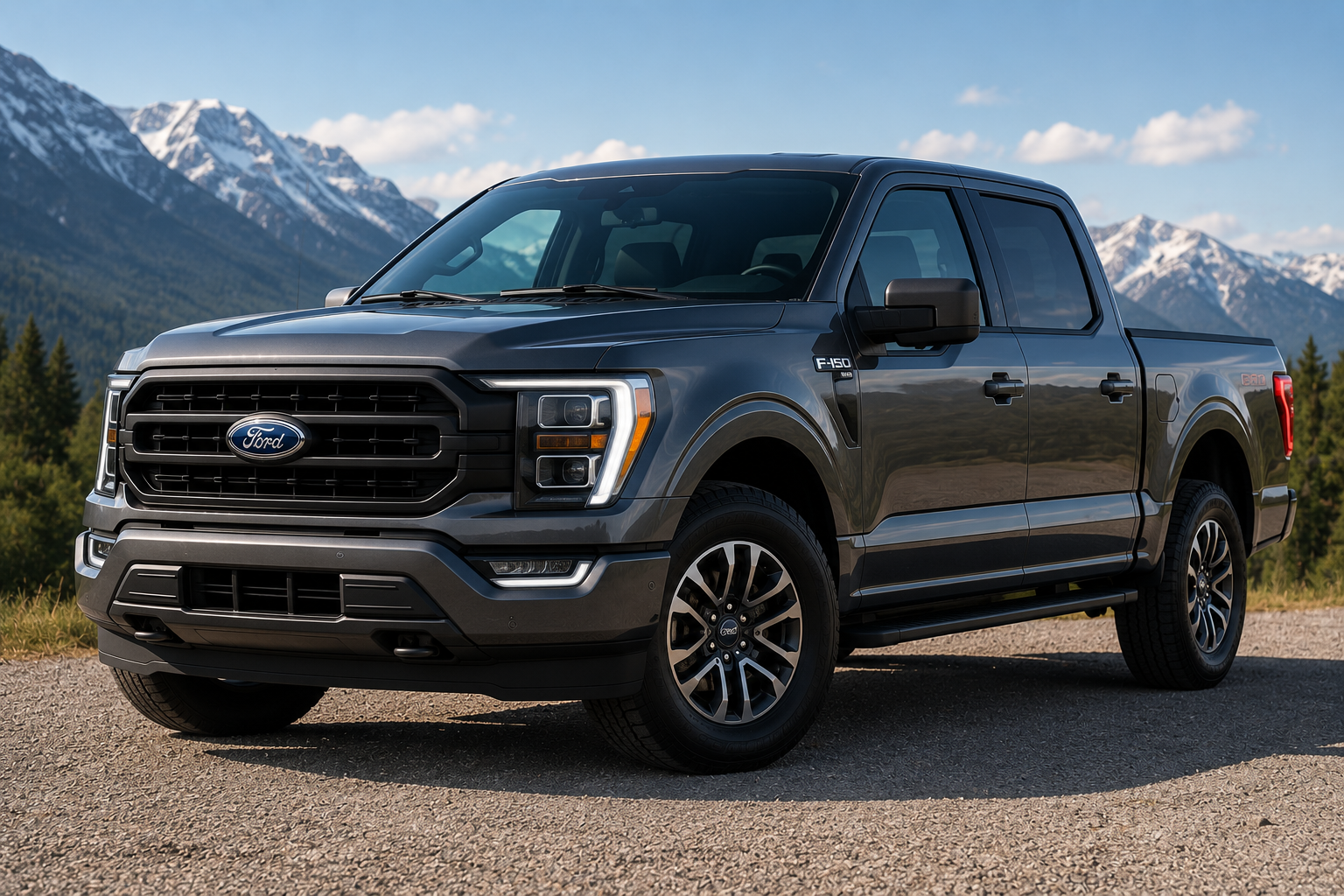
    Ford VIN Decoder – Free Ford VIN Lookup for F-150, Mustang, Explorer, Bronco & More

    A Ford VIN Decoder allows you to instantly identify important information about any Ford vehicle using its unique Vehicle Identification Number (VIN). Whether you’re buying a used Ford, verifying vehicle specifications, researching recalls, or checking factory-installed equipment, a Ford VIN lookup can provide valuable vehicle information in seconds.

    At VinForFree, our free VIN tools help drivers, buyers, and sellers better understand the vehicles they own or are considering purchasing. You can use our Free VIN Check Tool to decode Ford VINs and access vehicle information instantly.

    What Is a Ford VIN?

    Every Ford vehicle is assigned a unique 17-character VIN when it leaves the factory. This VIN acts as the vehicle’s permanent identifier and contains information about the manufacturer, model, production year, body style, engine type, safety systems, and manufacturing plant.

    You can usually find your Ford VIN:

    • On the driver’s side dashboard
    • Inside the driver’s door jamb
    • On registration documents
    • On insurance paperwork
    • On vehicle title records

    Because every VIN is unique, it is one of the most reliable ways to identify and verify a vehicle.

    Why Use a Ford VIN Decoder?

    A Ford VIN Decoder helps verify that a vehicle matches the seller’s description and provides useful information before purchase.

    A VIN lookup can reveal:

    • Vehicle model
    • Production year
    • Body style
    • Engine information
    • Drive type
    • Manufacturer details
    • Safety equipment
    • Recall information
    • Vehicle classification
    • Manufacturing location

    This information is especially useful when purchasing a used Ford from a dealership, private seller, online marketplace, or vehicle auction.

    Popular Ford Models Supported

    Our Ford VIN Decoder supports nearly every Ford model sold in North America.

    Ford F-150

    The Ford F-150 is one of the most popular pickup trucks in America and is known for capability, towing strength, durability, and wide trim availability.

    Ford Mustang

    The Ford Mustang is an iconic performance car with a long history and strong demand among enthusiasts and used car buyers.

    Ford Explorer

    The Ford Explorer is a popular SUV offering family-friendly space, technology, and available all-wheel drive.

    Ford Bronco

    The Ford Bronco is a rugged SUV built for off-road driving, outdoor use, and adventure-focused buyers.

    Ford Escape

    The Ford Escape is a compact SUV known for efficiency, practicality, and everyday usability.

    Ford Ranger

    The Ford Ranger is a midsize pickup truck built for work, recreation, and drivers who want utility in a smaller package.

    Understanding Ford VIN Numbers

    A Ford VIN contains several sections that identify important vehicle characteristics.

    Example VIN:

    1FTEW1EP8NFA12345

    The VIN can help identify:

    • Manufacturer
    • Vehicle type
    • Model
    • Engine type
    • Body style
    • Model year
    • Assembly plant
    • Production sequence

    VIN decoding helps ensure that the Ford vehicle you are researching matches the information advertised by the seller.

    Ford Recall Information

    Before purchasing any used Ford, it is important to verify whether the vehicle has unresolved recalls.

    The National Highway Traffic Safety Administration maintains a public recall database that allows vehicle owners and buyers to search for active recalls using a VIN.

    You can check recalls through:

    NHTSA Recall Lookup

    Checking recalls is a simple step that can help identify safety issues, manufacturer repair campaigns, and important service updates.

    Ford VIN Lookup for Used Car Buyers

    A Ford VIN lookup can help answer important questions before making a purchase.

    Many buyers use VIN decoding to verify:

    • Vehicle identity
    • Model year
    • Factory specifications
    • Engine information
    • Recall status
    • Manufacturing details
    • Body style
    • Drive configuration

    Verifying VIN information helps reduce the risk of purchasing a vehicle with inaccurate, incomplete, or misleading listing details.

    Ford Manufacturing Locations

    Ford vehicles are produced in multiple manufacturing facilities across North America and around the world.

    Depending on the VIN, your Ford may have been assembled in:

    • Michigan, United States
    • Kentucky, United States
    • Missouri, United States
    • Ohio, United States
    • Illinois, United States
    • Canada
    • Mexico

    Manufacturing location information can often be identified through VIN decoding and may help buyers better understand vehicle origin.

    Ford VIN Decoder vs Vehicle History Reports

    A Ford VIN Decoder provides vehicle specification and manufacturer information directly tied to the VIN.

    Typical VIN decoder information includes:

    • Year
    • Make
    • Model
    • Body style
    • Engine information
    • Safety equipment
    • Recall information
    • Manufacturer details

    Vehicle history reports may additionally provide:

    • Accident history
    • Title brands
    • Odometer records
    • Ownership history
    • Service records

    Many consumers start with a free VIN lookup before deciding whether they need a premium vehicle history report.

    To learn more, visit:

    Free VIN Check vs CARFAX

    Official Ford and Government Resources

    For additional Ford information, visit:

    Ford Official Website

    For federal VIN decoding information:

    NHTSA VIN Decoder Database

    These resources help verify manufacturer specifications, VIN information, and safety-related data.

    Use Our Free Ford VIN Decoder Today

    Whether you’re researching a Ford F-150, Mustang, Explorer, Bronco, Escape, Ranger, or another Ford model, VIN decoding is one of the fastest ways to verify vehicle information.

    Use our Ford VIN Decoder to instantly access vehicle specifications, manufacturer information, recalls, and VIN details before buying, selling, or researching a vehicle.

    A VIN lookup is a simple step that can help you make smarter automotive decisions and better understand the Ford vehicle you’re researching.

  • Toyota VIN Decoder – Free Toyota VIN Lookup (All Models 2026)

    Toyota VIN Decoder – Free Toyota VIN Lookup (All Models 2026)

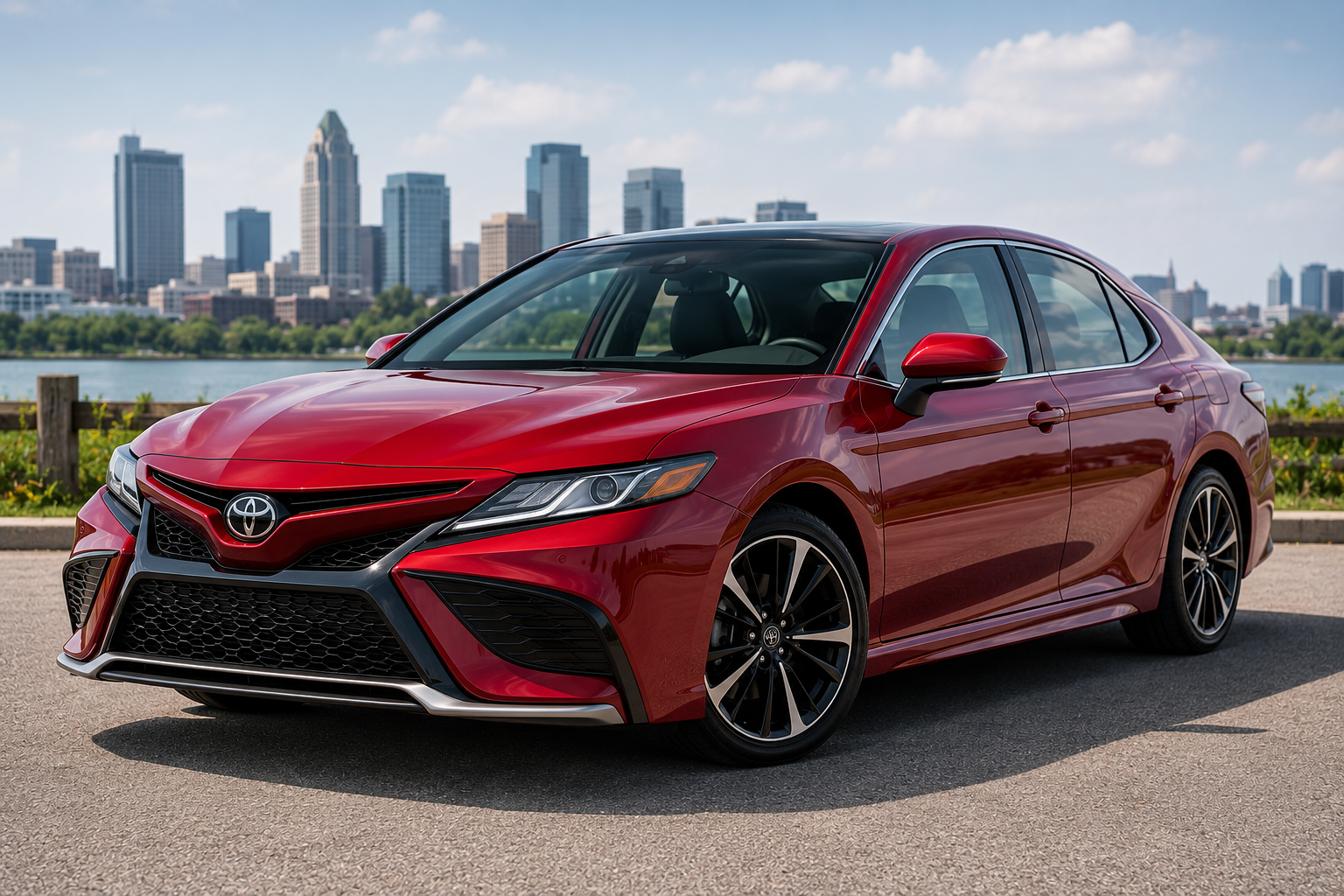
    Toyota VIN Decoder – Free Toyota VIN Lookup for Camry, Corolla, RAV4, Tacoma & More

    A Toyota VIN Decoder allows you to instantly identify important information about any Toyota vehicle using its unique Vehicle Identification Number (VIN). Whether you’re buying a used Toyota, researching recalls, verifying specifications, or checking factory-installed equipment, a Toyota VIN lookup can provide valuable vehicle information in seconds.

    At VinForFree, our free VIN tools help drivers, buyers, and sellers better understand the vehicles they own or are considering purchasing. You can use our Free VIN Check Tool to decode Toyota VINs and access vehicle information instantly.

    What Is a Toyota VIN?

    Every Toyota vehicle is assigned a unique 17-character VIN when it leaves the factory. This VIN serves as the vehicle’s permanent identifier and contains information about the manufacturer, model, production year, body style, engine type, safety systems, and manufacturing plant.

    You can usually find your Toyota VIN:

    • On the driver’s side dashboard
    • Inside the driver’s door jamb
    • On vehicle registration documents
    • On insurance paperwork
    • On vehicle title records

    Because every VIN is unique, it is one of the most reliable ways to identify and verify a vehicle.

    Why Use a Toyota VIN Decoder?

    A Toyota VIN Decoder helps verify that a vehicle matches the seller’s description and provides valuable information before making a purchase.

    A VIN lookup can reveal:

    • Vehicle model
    • Production year
    • Body style
    • Engine information
    • Manufacturer details
    • Safety equipment
    • Recall information
    • Vehicle classification
    • Manufacturing location

    This information is especially useful when purchasing a used Toyota from a private seller, dealership, online marketplace, or vehicle auction.

    Popular Toyota Models Supported

    Our Toyota VIN Decoder supports nearly every Toyota model sold in North America.

    Toyota Camry

    The Toyota Camry is one of the best-selling midsize sedans in the United States and is known for reliability, fuel efficiency, and long-term value.

    Toyota Corolla

    The Corolla is one of the most popular compact cars in the world and remains a favorite among commuters and first-time car buyers.

    Toyota RAV4

    The RAV4 is Toyota’s best-selling SUV and consistently ranks among the most popular vehicles in America.

    Toyota Tacoma

    The Tacoma is a highly sought-after midsize pickup truck known for durability and off-road capability.

    Toyota Tundra

    Toyota’s full-size pickup truck offers strong towing capability, reliability, and modern technology.

    Toyota Highlander

    The Highlander is a family-focused SUV that combines comfort, practicality, and strong resale value.

    Understanding Toyota VIN Numbers

    A Toyota VIN contains several sections that identify important vehicle characteristics.

    Example VIN:

    4T1BF1FK8GU123456

    The VIN can identify:

    • Manufacturer
    • Vehicle type
    • Model
    • Engine type
    • Body style
    • Model year
    • Assembly plant
    • Production sequence

    VIN decoding helps ensure that the vehicle you are researching matches the information advertised by the seller.

    Toyota Recall Information

    Before purchasing any used Toyota, it’s important to verify whether the vehicle has unresolved recalls.

    The National Highway Traffic Safety Administration maintains a public recall database that allows vehicle owners and buyers to search for active recalls using a VIN.

    You can check recalls through:

    NHTSA Recall Lookup

    Checking recalls is a simple but important step when evaluating a used vehicle.

    Toyota VIN Lookup for Used Car Buyers

    A Toyota VIN lookup can help answer critical questions before making a purchase.

    Many buyers use VIN decoding to verify:

    • Vehicle identity
    • Model year
    • Factory specifications
    • Engine information
    • Recall status
    • Manufacturing details

    Verifying VIN information helps reduce the risk of purchasing a vehicle with inaccurate or misleading information.

    Toyota Manufacturing Locations

    Toyota vehicles are produced in multiple manufacturing facilities around the world.

    Depending on the VIN, your Toyota may have been assembled in:

    • Kentucky, United States
    • Texas, United States
    • Mississippi, United States
    • Indiana, United States
    • Ontario, Canada
    • Japan
    • Mexico

    Manufacturing location information can often be identified through VIN decoding and may help buyers better understand vehicle origin.

    Toyota VIN Decoder vs Vehicle History Reports

    A Toyota VIN Decoder provides vehicle specification and manufacturer information directly tied to the VIN.

    Typical VIN decoder information includes:

    • Year
    • Make
    • Model
    • Body style
    • Engine information
    • Safety equipment
    • Recall information
    • Manufacturer details

    Vehicle history reports may additionally provide:

    • Accident history
    • Title brands
    • Odometer records
    • Ownership history
    • Service records

    Many consumers start with a free VIN lookup before deciding whether they need a premium vehicle history report.

    To learn more, visit:

    Free VIN Check vs CARFAX

    Official Toyota and Government Resources

    For additional Toyota information, visit:

    Toyota Official Website

    For federal VIN decoding information:

    NHTSA VIN Decoder Database

    These resources help verify manufacturer specifications and VIN information.

    Use Our Free Toyota VIN Decoder Today

    Whether you’re researching a Toyota Camry, Corolla, RAV4, Tacoma, Tundra, Highlander, or another Toyota model, VIN decoding is one of the fastest ways to verify vehicle information.

    Use our Toyota VIN Decoder to instantly access vehicle specifications, manufacturer information, recalls, and VIN details before buying, selling, or researching a vehicle.

    A VIN lookup is a simple step that can help you make smarter automotive decisions and better understand the vehicle you’re researching.

  • Honda VIN Decoder – Free Honda VIN Lookup (All Models 2026)

    Honda VIN Decoder – Free Honda VIN Lookup (All Models 2026)

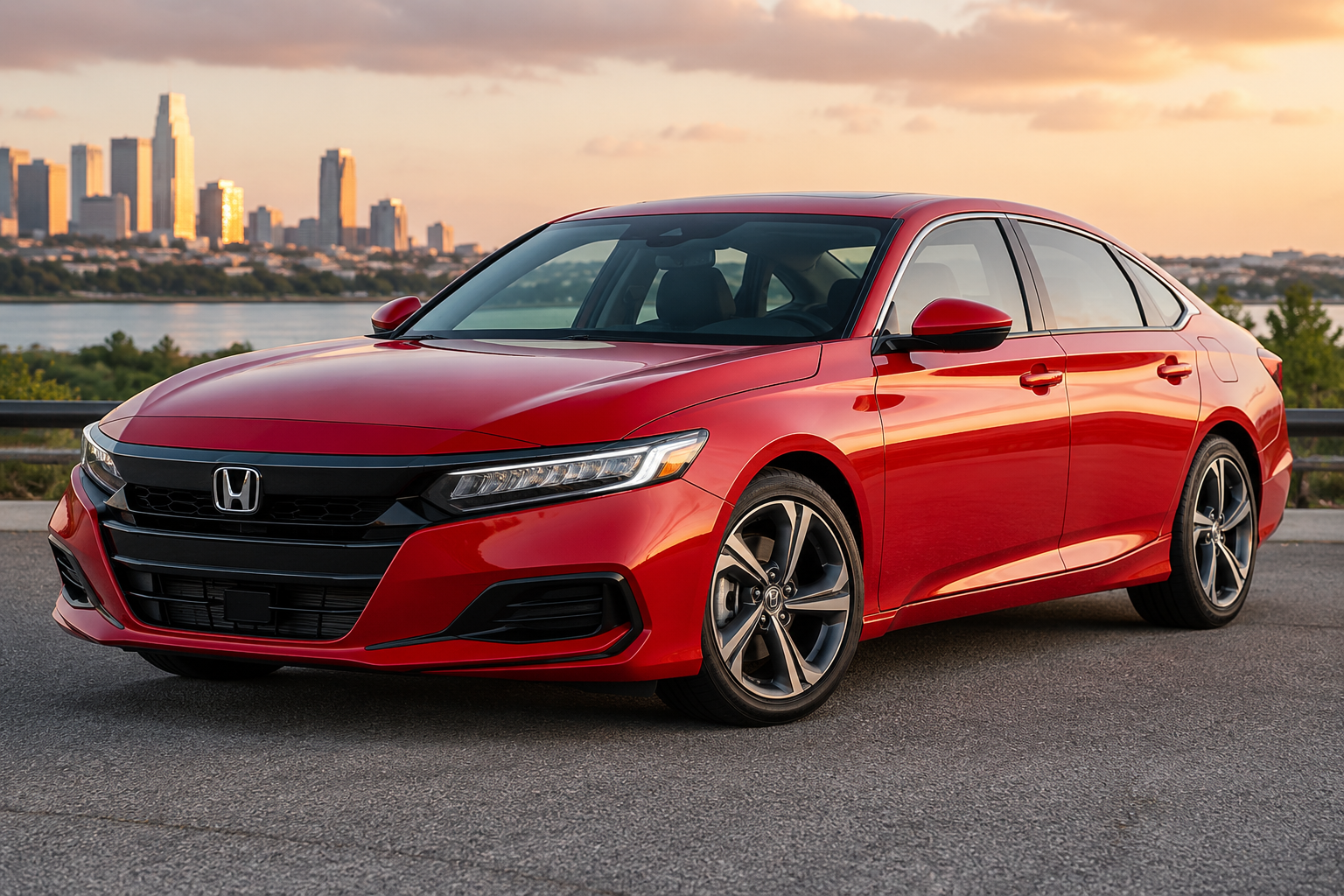
    Honda VIN Decoder – Free Honda VIN Lookup for Civic, Accord, CR-V, Pilot & More

    A Honda VIN Decoder allows you to instantly identify important information about any Honda vehicle using its unique Vehicle Identification Number (VIN). Whether you’re purchasing a used Honda, verifying vehicle specifications, researching recalls, or confirming factory equipment, a Honda VIN lookup provides valuable information in seconds.

    At VinForFree, our free VIN tools help drivers, buyers, and sellers access vehicle information quickly and easily. You can use our Free VIN Check Tool to decode Honda VINs and verify vehicle details before making an important purchase decision.

    What Is a Honda VIN?

    Every Honda vehicle receives a unique 17-character Vehicle Identification Number during manufacturing. This VIN acts as the vehicle’s permanent identifier and contains information about the manufacturer, model, production year, engine type, body style, safety equipment, and manufacturing plant.

    You can usually find your Honda VIN:

    • On the driver’s side dashboard
    • Inside the driver’s door jamb
    • On registration paperwork
    • On your insurance documents
    • On vehicle title records

    Because every VIN is unique, it is one of the most reliable ways to verify a vehicle’s identity.

    Why Use a Honda VIN Decoder?

    A Honda VIN Decoder can help verify that a vehicle matches the seller’s description and provide important information before purchase.

    A VIN lookup may reveal:

    • Vehicle model
    • Production year
    • Manufacturer information
    • Body style
    • Engine specifications
    • Safety features
    • Manufacturing plant
    • Recall information
    • Vehicle classification

    This information is especially useful when buying a used vehicle through a dealership, auction site, online marketplace, or private seller.

    Popular Honda Models Supported

    Our Honda VIN Decoder supports virtually all Honda vehicles, including:

    Honda Civic

    One of the best-selling compact cars in America, known for reliability, fuel efficiency, and strong resale value.

    Honda Accord

    The Honda Accord remains one of the most popular midsize sedans and is frequently searched by used car buyers.

    Honda CR-V

    A compact SUV offering practicality, fuel economy, and family-friendly features.

    Honda Pilot

    A larger SUV designed for families requiring additional seating and cargo space.

    Honda Odyssey

    One of the most recognized minivans on the market and a common choice for family transportation.

    Honda Ridgeline

    Honda’s pickup truck that combines utility with the comfort of an SUV.

    Understanding Honda VIN Numbers

    A Honda VIN contains multiple sections that identify specific characteristics of the vehicle.

    Example VIN:

    1HGCM82633A123456

    The VIN can help identify:

    • Manufacturer
    • Vehicle type
    • Body style
    • Engine type
    • Model year
    • Assembly plant
    • Production sequence

    VIN decoding helps ensure the vehicle you’re researching matches the information provided by the seller.

    Honda Recall Information

    Before purchasing any used Honda, it’s important to verify whether the vehicle has unresolved recalls.

    The National Highway Traffic Safety Administration maintains a public database where vehicle owners can search recall information using a VIN.

    You can check recalls through:

    NHTSA Recall Lookup

    Checking recall status is one of the easiest ways to improve vehicle safety and identify manufacturer repair campaigns.

    Honda VIN Lookup for Used Car Buyers

    A Honda VIN lookup can help answer many questions before purchasing a used vehicle.

    Buyers frequently use VIN decoding to verify:

    • Vehicle identity
    • Model information
    • Production year
    • Engine details
    • Recall status
    • Manufacturer specifications

    This verification process helps reduce the risk of purchasing a vehicle with incorrect or misleading information.

    Honda Manufacturing Locations

    Honda vehicles are produced in several manufacturing facilities around the world.

    Depending on the VIN, your Honda may have been assembled in:

    • Ohio, United States
    • Indiana, United States
    • Alabama, United States
    • Ontario, Canada
    • Japan
    • Mexico

    Manufacturing location information can often be identified through VIN decoding and may help verify vehicle origin.

    Honda VIN Decoder vs Vehicle History Reports

    A Honda VIN Decoder provides specification and manufacturer information directly tied to the VIN.

    Typical VIN decoder information includes:

    • Year
    • Make
    • Model
    • Body style
    • Engine information
    • Safety equipment
    • Recall information

    Vehicle history reports may additionally provide:

    • Accident history
    • Title brands
    • Odometer records
    • Ownership history
    • Service records

    Many consumers begin with a free VIN lookup and then decide whether they need a premium history report. Learn more in our guide:

    Free VIN Check vs CARFAX

    Official Honda and Government Resources

    For additional Honda information, visit:

    Honda Official Website

    For federal VIN decoding information:

    NHTSA VIN Decoder Database

    These resources can help verify manufacturer specifications and VIN information.

    Use Our Free Honda VIN Decoder Today

    Whether you’re researching a Honda Civic, Accord, CR-V, Pilot, Odyssey, Ridgeline, or another Honda model, VIN decoding is one of the fastest ways to verify vehicle information.

    Use our Honda VIN Decoder to instantly access vehicle specifications, manufacturer details, recalls, and VIN information before buying, selling, or researching a vehicle.

    A VIN lookup is a simple step that can help you make more informed automotive decisions and better understand the vehicle you’re researching.

  • Tesla VIN Decoder — Free Tesla VIN Lookup (All Models 2026)

    Tesla VIN Decoder — Free Tesla VIN Lookup (All Models 2026)

    Tesla VIN Decoder – Free Tesla VIN Lookup for Model S, Model 3, Model X & Model Y

    A Tesla VIN Decoder allows you to instantly identify important vehicle information using a Tesla Vehicle Identification Number (VIN). Whether you’re buying a used Tesla, verifying a private seller’s listing, researching recalls, or checking vehicle specifications, a Tesla VIN lookup can provide valuable information in seconds.

    At VinForFree, our free VIN tools help buyers and owners better understand their vehicles before making important decisions. You can start with our Free VIN Check Tool to decode any Tesla VIN and access vehicle specifications instantly.

    What Is a Tesla VIN?

    Every Tesla vehicle receives a unique 17-character VIN during manufacturing. This VIN serves as the vehicle’s fingerprint and contains information about the vehicle’s manufacturer, model, production year, body style, safety systems, and manufacturing plant.

    You can usually find your Tesla VIN:

    • On the driver’s side dashboard
    • Inside the driver’s door jamb
    • On vehicle registration documents
    • Inside the Tesla mobile app
    • On your insurance card

    A Tesla VIN never changes throughout the life of the vehicle, making it one of the most reliable ways to identify a specific car.

    Why Use a Tesla VIN Decoder?

    Using a Tesla VIN Decoder helps verify that a vehicle matches the seller’s description.

    A VIN lookup can help reveal:

    • Tesla model
    • Production year
    • Manufacturing plant
    • Body style
    • Drive type
    • Safety equipment
    • Recall information
    • Vehicle specifications
    • Manufacturer information

    This is especially useful when shopping for a used Tesla from a private seller, auction, dealership, or online marketplace.

    Tesla Models Supported

    Our Tesla VIN Decoder supports all major Tesla models.

    Tesla Model S

    The Tesla Model S is Tesla’s flagship luxury sedan known for its long range, premium interior, and high-performance variants.

    Tesla Model 3

    The Tesla Model 3 is one of the most popular electric vehicles ever produced and remains a top choice for drivers looking to transition to EV ownership.

    Tesla Model X

    The Tesla Model X is a premium electric SUV recognized for its Falcon Wing doors, spacious cabin, and advanced technology features.

    Tesla Model Y

    The Tesla Model Y combines SUV practicality with Tesla’s efficient electric platform and has become one of the best-selling vehicles in the world.

    Understanding Tesla VIN Numbers

    Tesla VINs contain multiple sections that provide different information about the vehicle.

    Example VIN:

    5YJ3E1EA7LF123456

    The VIN can identify:

    • Manufacturer
    • Vehicle type
    • Model
    • Drive configuration
    • Safety systems
    • Model year
    • Production sequence

    Many buyers use VIN decoding to verify a vehicle before purchasing, especially when reviewing online listings where information may be incomplete or inaccurate.

    Tesla Recalls and Safety Information

    Before purchasing any used Tesla, it’s important to check for open recalls.

    The National Highway Traffic Safety Administration provides a public recall database that allows owners to search for unresolved safety recalls.

    You can check recall information through:

    NHTSA Recall Lookup

    Many Tesla recalls are addressed through over-the-air software updates, but verifying recall status remains an important step before purchasing any used vehicle.

    Tesla VIN Lookup for Used Car Buyers

    When purchasing a used Tesla, VIN decoding can help answer several important questions.

    Buyers often use a Tesla VIN Decoder to verify:

    • The vehicle is the advertised model
    • The production year is correct
    • Factory equipment matches the listing
    • Recall information is available
    • Vehicle specifications are accurate

    While VIN decoding provides valuable vehicle information, buyers seeking accident history, title history, ownership records, and service information may also want a vehicle history report.

    If you’re comparing free VIN tools against paid reports, read our guide:

    Free VIN Check vs CARFAX: What’s the Difference?

    Tesla Manufacturing Plants

    Tesla vehicles are produced in several factories around the world.

    Depending on the VIN, your Tesla may have been manufactured at:

    • Fremont, California
    • Austin, Texas
    • Shanghai, China
    • Berlin, Germany

    Manufacturing location can be identified through VIN decoding and may be useful when researching vehicle specifications or production changes.

    Tesla VIN Decoder vs Vehicle History Reports

    A Tesla VIN Decoder provides information directly related to the vehicle’s identity and specifications.

    Typical VIN decoder information includes:

    • Year
    • Make
    • Model
    • Body style
    • Manufacturer
    • Recall information
    • Vehicle classification

    Vehicle history reports may additionally provide:

    • Accident records
    • Title brands
    • Odometer history
    • Ownership history
    • Service records

    Many buyers begin with a free VIN lookup before deciding whether they need a premium history report.

    Official Tesla and Government Resources

    For additional Tesla information, you can visit:

    Tesla Official Website

    For official VIN decoding data provided by the federal government:

    NHTSA VIN Decoder Database

    These resources help verify vehicle specifications and manufacturer information.

    Try Our Free Tesla VIN Decoder Today

    Whether you own a Tesla or are considering purchasing one, a VIN lookup is one of the easiest ways to verify important vehicle information.

    Use our Tesla VIN Decoder to instantly access Tesla specifications, manufacturer information, recalls, and vehicle details.

    From the Tesla Model S and Model 3 to the Model X and Model Y, decoding a VIN can provide valuable insight before buying, selling, or researching an electric vehicle.

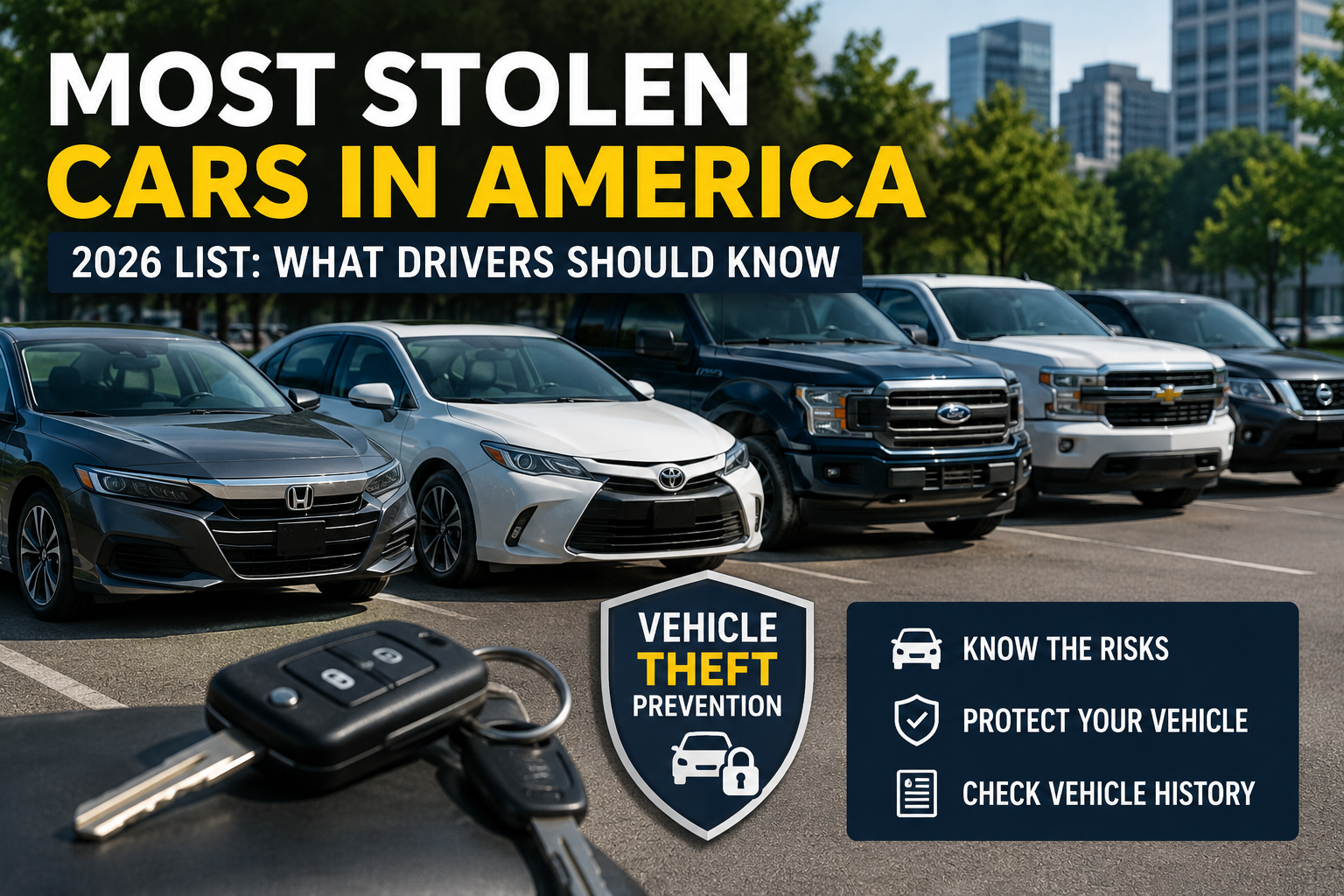
  • Most Stolen Cars in America (2026 List): What Drivers Should Know

    Most Stolen Cars in America (2026 List): What Drivers Should Know

    Most Stolen Cars in America (2026 List): What Drivers Should Know

    Vehicle theft remains a major concern for car owners across the United States. While modern vehicles include advanced anti-theft technology, certain makes and models continue to be targeted by thieves every year. Understanding which vehicles are stolen most often can help drivers make smarter purchasing decisions and take steps to protect their investment.

    Whether you’re shopping for a used car, comparing insurance costs, or researching vehicle history, learning about the most stolen cars in America can provide valuable insight.

    Why Are Some Cars Stolen More Than Others?

    Not all vehicles are equally attractive to thieves. Some cars are stolen because they are extremely common, while others are targeted because their parts are valuable and easy to sell.

    Factors that can increase theft risk include:

    • High demand for replacement parts
    • Lack of modern anti-theft systems
    • Large numbers of vehicles on the road
    • Strong resale value
    • Easy access to key components

    Even older vehicles can remain popular theft targets because parts are often difficult to find and can be sold quickly.

    Most Stolen Cars in America

    While theft rankings can change from year to year, several vehicles consistently appear near the top of theft reports.

    Commonly targeted vehicles include:

    Honda Civic

    The Honda Civic remains one of the most frequently stolen vehicles in America. Its popularity, reliability, and strong aftermarket demand make it attractive to thieves.

    Honda Accord

    The Honda Accord has appeared on theft lists for many years. Older models without modern immobilizers are often targeted.

    Ford F-Series Trucks

    America’s best-selling truck is also one of the most stolen. High demand for truck parts contributes to theft rates.

    Chevrolet Silverado

    Silverado trucks remain popular among both buyers and thieves due to their widespread availability and valuable components.

    Toyota Camry

    The Toyota Camry is one of the most common sedans on the road, making it a frequent target for theft and parts harvesting.

    Nissan Altima

    The Altima regularly appears in vehicle theft statistics due to its popularity and large production numbers.

    How Vehicle Theft Affects Insurance Rates

    Vehicle theft risk directly impacts insurance costs.

    Insurance companies evaluate:

    • Theft statistics
    • Vehicle repair costs
    • Replacement costs
    • Recovery rates

    Vehicles that are stolen more frequently may carry higher comprehensive insurance premiums.

    Drivers often discover that two similar vehicles can have noticeably different insurance costs simply because one model experiences higher theft rates.

    This is one reason why understanding what increases car insurance rates is important before purchasing a vehicle.

    How VIN Numbers Help Identify Stolen Vehicles

    Every vehicle manufactured after 1981 includes a unique 17-character Vehicle Identification Number (VIN).

    VIN numbers help:

    • Identify ownership records
    • Track recalls
    • Verify specifications
    • Detect fraud
    • Assist law enforcement with stolen vehicle recovery

    When a vehicle is recovered after a theft, the VIN helps authorities determine the rightful owner and verify the vehicle’s identity.

    Should You Run a VIN Check Before Buying a Used Car?

    Absolutely.

    A VIN check can help buyers verify important information before completing a purchase.

    A VIN lookup may reveal:

    • Vehicle specifications
    • Recall information
    • Safety equipment
    • Manufacturer details
    • Vehicle history data

    Running a free VIN check before buying a used vehicle can help reduce the risk of purchasing a problematic vehicle and provide greater confidence during the buying process.

    Tips to Protect Your Vehicle From Theft

    While no vehicle is completely theft-proof, several steps can reduce risk:

    Park in Well-Lit Areas

    Visible parking locations can discourage thieves.

    Lock Doors and Windows

    Many thefts occur because vehicles are left unlocked.

    Use Anti-Theft Devices

    Steering wheel locks and tracking systems provide additional protection.

    Remove Valuables

    Visible electronics and personal items can attract criminals.

    Install GPS Tracking

    Modern tracking systems can improve recovery chances if a vehicle is stolen.

    What To Do If Your Vehicle Is Stolen

    If you believe your vehicle has been stolen:

    1. Contact local law enforcement immediately.
    2. Provide your VIN number.
    3. Notify your insurance company.
    4. Gather ownership records and documentation.
    5. Monitor updates from law enforcement and insurance providers.

    Quick action can improve the likelihood of recovering the vehicle.

    Final Thoughts

    Understanding the most stolen cars in America can help drivers make informed decisions when buying, insuring, and protecting their vehicles. Popular vehicles often become theft targets simply because they are common and their parts are valuable.

    Before purchasing any used vehicle, consider reviewing its information through a free VIN check and researching potential theft risks. A few minutes of research can help prevent costly surprises and provide greater peace of mind as a vehicle owner.


    Drivers can learn more about vehicle safety and theft prevention through the National Highway Traffic Safety Administration.

  • What Increases Car Insurance Rates? 10 Factors That Raise Your Premium (2026 Guide)

    What Increases Car Insurance Rates? 10 Factors That Raise Your Premium (2026 Guide)

    What Increases Car Insurance Rates?

    Car insurance is a necessary expense for every driver, but many people are surprised when their premiums increase unexpectedly. Understanding what increases car insurance rates can help you make better decisions when purchasing a vehicle, maintaining your driving record, and shopping for insurance coverage.

    Insurance companies use dozens of factors to calculate risk. The higher the perceived risk, the more you will likely pay for coverage. Whether you’re a new driver, a parent shopping for a teen driver, or someone purchasing a used vehicle, knowing what affects insurance costs can potentially save hundreds or even thousands of dollars per year.

    1. Your Driving Record

    One of the biggest factors affecting insurance rates is your driving history.

    Insurance companies review:

    • Speeding tickets
    • Reckless driving citations
    • At-fault accidents
    • DUI or impaired driving convictions
    • License suspensions

    Drivers with clean records typically receive the lowest rates, while those with multiple violations often pay significantly more.

    2. Your Age and Driving Experience

    Age plays a major role in determining insurance premiums.

    Teen drivers and young adults generally pay more because they have less driving experience and statistically file more claims than older drivers.

    Drivers often see lower rates after:

    • Turning 25
    • Maintaining a clean driving record
    • Building several years of driving experience

    This is one reason parents should carefully research vehicles before purchasing a car for a new driver.

    3. The Vehicle You Drive

    Not all vehicles cost the same to insure.

    Insurance companies look at:

    • Vehicle value
    • Repair costs
    • Theft rates
    • Safety ratings
    • Engine performance
    • Horsepower

    Sports cars and luxury vehicles usually cost more to insure than sedans and family vehicles because repairs are more expensive and claims tend to be larger.

    Before purchasing a vehicle, consider running a free VIN lookup to review vehicle specifications and safety information.

    4. Vehicle Safety Ratings

    Vehicles with strong crash test ratings and advanced safety features often qualify for lower insurance premiums.

    Features that may help reduce costs include:

    • Automatic emergency braking
    • Blind spot monitoring
    • Lane departure warning
    • Adaptive cruise control
    • Multiple airbags

    Insurance providers view these features as reducing accident risk and injury severity.

    5. Where You Live

    Your location significantly affects insurance costs.

    Insurance companies evaluate:

    • Population density
    • Traffic congestion
    • Accident frequency
    • Vehicle theft rates
    • Weather-related risks

    Drivers in large metropolitan areas often pay more than drivers in smaller towns or rural communities.

    6. Insurance Claims History

    Previous claims can increase future premiums.

    Frequent claims may indicate higher risk to insurers.

    Claims that commonly affect rates include:

    • Collision claims
    • Comprehensive claims
    • Theft claims
    • Weather-related damage claims

    Even if you were not at fault, some insurers may consider claim frequency when determining future rates.

    7. Annual Mileage

    The more you drive, the greater your exposure to potential accidents.

    Drivers who commute long distances or use their vehicles extensively often pay more than drivers with lower annual mileage.

    Many insurers now offer usage-based programs that track mileage and driving behavior to potentially lower costs.

    8. Credit History (Where Allowed)

    In many states, insurers use credit-based insurance scores when calculating premiums.

    Research has shown that drivers with stronger credit histories tend to file fewer claims, leading some insurance companies to offer lower rates.

    However, regulations vary by state, and some states restrict or prohibit this practice.

    9. Coverage Limits and Deductibles

    The amount of coverage you choose directly impacts your premium.

    Higher coverage limits generally increase costs, while higher deductibles often lower monthly premiums.

    Drivers should carefully balance affordability with adequate financial protection.

    10. Vehicle History and VIN Information

    Many people don’t realize that vehicle history can indirectly influence insurance costs.

    Information associated with a vehicle’s VIN may reveal:

    • Previous accidents
    • Salvage history
    • Theft recovery records
    • Major repairs
    • Manufacturer recalls

    Insurance companies often consider the overall risk profile of a vehicle when determining coverage costs. Reviewing vehicle history before purchase can help buyers avoid unexpected insurance expenses later.

    How to Lower Your Car Insurance Rates

    If you’re looking to reduce your premium, consider these strategies:

    • Maintain a clean driving record
    • Choose vehicles with strong safety ratings
    • Increase deductibles if financially appropriate
    • Bundle insurance policies
    • Shop multiple insurance providers
    • Drive fewer miles annually
    • Review vehicle history before purchasing

    Even small improvements can result in meaningful savings over time.

    Final Thoughts

    Understanding what increases car insurance rates helps drivers make smarter decisions before buying a vehicle and selecting insurance coverage. Factors such as driving history, age, location, vehicle type, claims history, and safety features all play a role in determining premiums.

    Before purchasing your next vehicle, take time to research its specifications, safety ratings, recalls, and history records. A few extra minutes of research today may help you avoid costly surprises and lower your insurance expenses in the future.

    For additional information about vehicle insurance requirements, visit the Insurance Information Institute.

  • Teen Driver Safety Tips Every Parent Should Know

    Teen Driver Safety Tips Every Parent Should Know

    Teen Driver Safety Tips Every Parent Should Know

    Teen Driver Safety Tips are more important than ever as young drivers gain independence and spend more time on the road. While earning a driver’s license is an exciting milestone, it also comes with significant responsibilities. Parents play a major role in helping teenagers develop safe driving habits that can reduce the risk of accidents and costly mistakes.

    According to traffic safety studies, newly licensed teen drivers are involved in crashes at higher rates than experienced drivers. The good news is that many of these incidents can be prevented through education, supervision, and smart vehicle choices.

    Why Teen Drivers Face Higher Risks

    Teen drivers often have limited experience handling unexpected road situations. Heavy traffic, bad weather, distracted drivers, and emergency maneuvers can be difficult for inexperienced motorists.

    Some of the most common risks include:

    • Distracted driving
    • Speeding
    • Following too closely
    • Driving with multiple passengers
    • Nighttime driving
    • Lack of experience in poor weather conditions

    Understanding these risks allows parents and teens to create strategies that improve safety and confidence behind the wheel.

    Choose a Safe Vehicle

    One of the best Teen Driver Safety Tips is selecting a vehicle with strong safety features. While sports cars may be appealing, vehicles with high safety ratings and modern driver assistance systems are often better choices for new drivers.

    Important features to look for include:

    • Anti-lock brakes (ABS)
    • Electronic stability control
    • Forward collision warning
    • Automatic emergency braking
    • Blind spot monitoring
    • Backup cameras
    • Side curtain airbags

    Before purchasing a vehicle, parents should perform a free VIN check to verify vehicle specifications, recalls, and safety information.

    Limit Distractions

    Distracted driving is one of the leading causes of accidents among teen drivers. Mobile phones, passengers, food, and entertainment systems can all take attention away from the road.

    Parents should establish clear rules regarding:

    • No texting while driving
    • No social media use behind the wheel
    • Limited passenger counts during the first year of driving
    • Keeping music at a reasonable volume

    Using “Do Not Disturb While Driving” settings on smartphones can help reduce distractions and encourage safer habits.

    Practice Defensive Driving

    Defensive driving teaches teens to anticipate hazards before they become dangerous situations.

    Key defensive driving techniques include:

    • Maintaining a safe following distance
    • Scanning intersections carefully
    • Checking mirrors frequently
    • Watching for pedestrians and cyclists
    • Anticipating actions of other drivers

    Regular practice with a parent or experienced driver helps reinforce these important skills.

    Set Driving Boundaries

    Many parents create driving agreements with their teens. These agreements outline expectations and consequences while helping young drivers understand the importance of safe behavior.

    Rules may include:

    • Curfews for nighttime driving
    • Restrictions on passengers
    • Requirements for maintaining grades
    • Zero tolerance for impaired driving
    • Seat belt requirements for all occupants

    Clear expectations help teens make responsible decisions when driving independently.

    Check Vehicle History Before Buying

    Many families purchase used vehicles for first-time drivers. Before buying any used car, it is important to review available vehicle information.

    A VIN lookup can help verify:

    • Vehicle specifications
    • Safety recalls
    • Manufacturer details
    • Fuel economy information
    • Safety equipment

    Reviewing available data can help families avoid purchasing vehicles with potential concerns and make more informed decisions.

    Build Good Habits Early

    Safe driving habits formed during the first few years of driving often continue throughout adulthood. Encouraging teens to remain focused, patient, and responsible behind the wheel can significantly reduce accident risks.

    Parents should continue discussing road safety, reviewing driving performance, and reinforcing positive behaviors. Even experienced adult drivers benefit from ongoing reminders about safe driving practices.

    Final Thoughts

    Teen Driver Safety Tips are essential for helping new drivers stay safe on today’s roads. By choosing safe vehicles, limiting distractions, practicing defensive driving, and maintaining open communication, parents can help teenagers become confident and responsible drivers.

    Before purchasing a first vehicle, consider reviewing available vehicle information through a vehicle history report and VIN lookup service. Taking a few extra minutes to research a vehicle can help families make safer and smarter buying decisions while supporting a teen driver’s success behind the wheel.

    Parents can learn more about teen driving safety from the National Highway Traffic Safety Administration (NHTSA).