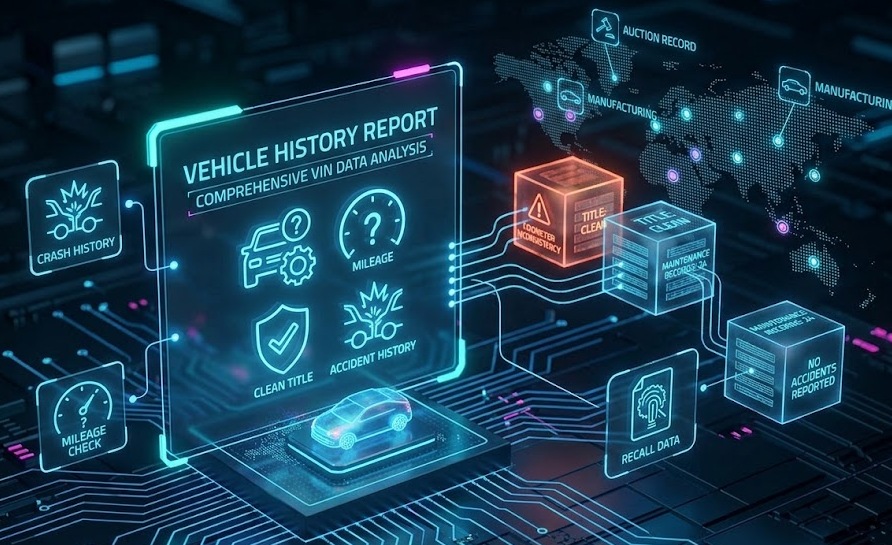
Your Comprehensive Vehicle History Report
Welcome to the VinForFree results portal. Below, you will find real-time data for the vehicle identification number you requested. Our reports are generated using vital public records to ensure you have the most accurate and official information available to make a positive buying decision.
How to Read Your Official Vehicle History Report
This report is divided into several vital sections to help you understand a vehicle’s past. First, verify the Vehicle Specifications to ensure the trim, engine, and manufacturing plant match the seller’s description. You can also use our Compare Vehicles tool to see how these specs stack up against other models in the same class.
Next, check the NHTSA Recall Status. This data comes directly from the National Highway Traffic Safety Administration and lists any open safety items that require immediate repair. If you are unsure about a specific term in your report, please consult our FAQ for detailed explanations of automotive data points.
Why Trust Our Data?
At VinForFree, we pull information directly from official government databases and the Environmental Protection Agency (EPA). While this report is a great step toward transparency, we always recommend a physical inspection to ensure the best possible purchase experience. Before finalizing any private sale, review our VIN Scam Warning guide to protect yourself from common fraudulent listings.
Understanding the Importance of Vehicle Transparency
In today’s used car market, having access to a vehicle’s real history matters more than ever. Many buyers rely solely on a seller’s word about a car’s past, which leaves real room for undisclosed damage, hidden liens, or a title that’s been quietly “washed” from state to state to hide a salvage record. Every year, thousands of buyers discover — too late — that a car they trusted had a story the seller never mentioned.
Running a free VIN check before you buy shifts that balance back in your favor. Instead of taking a stranger’s word for it, you’re looking at records pulled from actual government and insurance databases — the same sources dealers themselves rely on. It won’t catch everything a mechanic would find during a physical inspection, but it gives you a real, documented starting point before you ever hand over a deposit.
Key Data Points Explained
When you review your Vehicle History Report, a few categories deserve close attention:
- Safety Recalls: Pulled directly from NHTSA. An open recall means the manufacturer has identified a real safety defect — one that gets repaired free of charge at any dealership, so it’s worth checking every VIN you’re seriously considering.
- Fuel Economy and Emissions: Sourced from the EPA, this data helps you understand the real, ongoing cost of owning a specific vehicle, not just its sticker price.
- Manufacturing Details: Every VIN encodes a world manufacturer identifier, plant location, and model year. Our tool decodes this automatically, letting you confirm where and when a vehicle was actually built.
Protecting Yourself from Fraud
Unfortunately, the used car market isn’t immune to scams — and VIN-related fraud is more common than most buyers realize. If a deal feels rushed, or a seller resists letting you verify the VIN yourself, treat that as a real warning sign. Cross-reference this report against the VIN stamped on the dashboard and door jamb in person before you commit to anything. For a deeper look at the specific tactics scammers use, our guide to common VIN scams walks through real, documented patterns to watch for. If anything in your results looks unclear, our FAQ or Contact page are both there to help.
Identifying Salvage and Branded Titles
One of the most important reasons to run a Vehicle History Report is checking for branded titles. A “Salvage” or “Rebuilt” brand means an insurance company previously declared the vehicle a total loss — often after a serious collision, flood, or fire. These vehicles sometimes sell at genuinely attractive prices, but they can carry real, underlying structural or electrical issues that aren’t obvious on a test drive. A branded title isn’t automatically a dealbreaker, but it’s exactly the kind of thing you want to know about — and negotiate around — before you buy, not after.
The Risk of Odometer Rollbacks
Odometer fraud remains a genuine concern in the used car market, even with modern digital odometers. When reviewing your report’s mileage history, watch for any reading that’s lower than one recorded earlier — a real, physical odometer simply cannot decrease over time, so any drop in reported mileage is a legitimate red flag worth investigating before you buy. Cross-referencing the report’s mileage timeline against the seller’s own claims, and against what you see in person, is one of the simplest ways to catch this kind of fraud before it costs you.
Finalizing Your Vehicle Purchase
Once you’ve reviewed the details in this report, your next step should be a professional, in-person inspection. A digital history report is a genuinely valuable record of a car’s documented past, but it can’t predict its future mechanical health — that’s still worth a mechanic’s eyes before you sign anything. We hope this tool gives you a solid, honest starting point for your search. If you found it helpful, feel free to share VinForFree with anyone else car shopping right now. For technical support or questions about your data, our Contact page is always open.