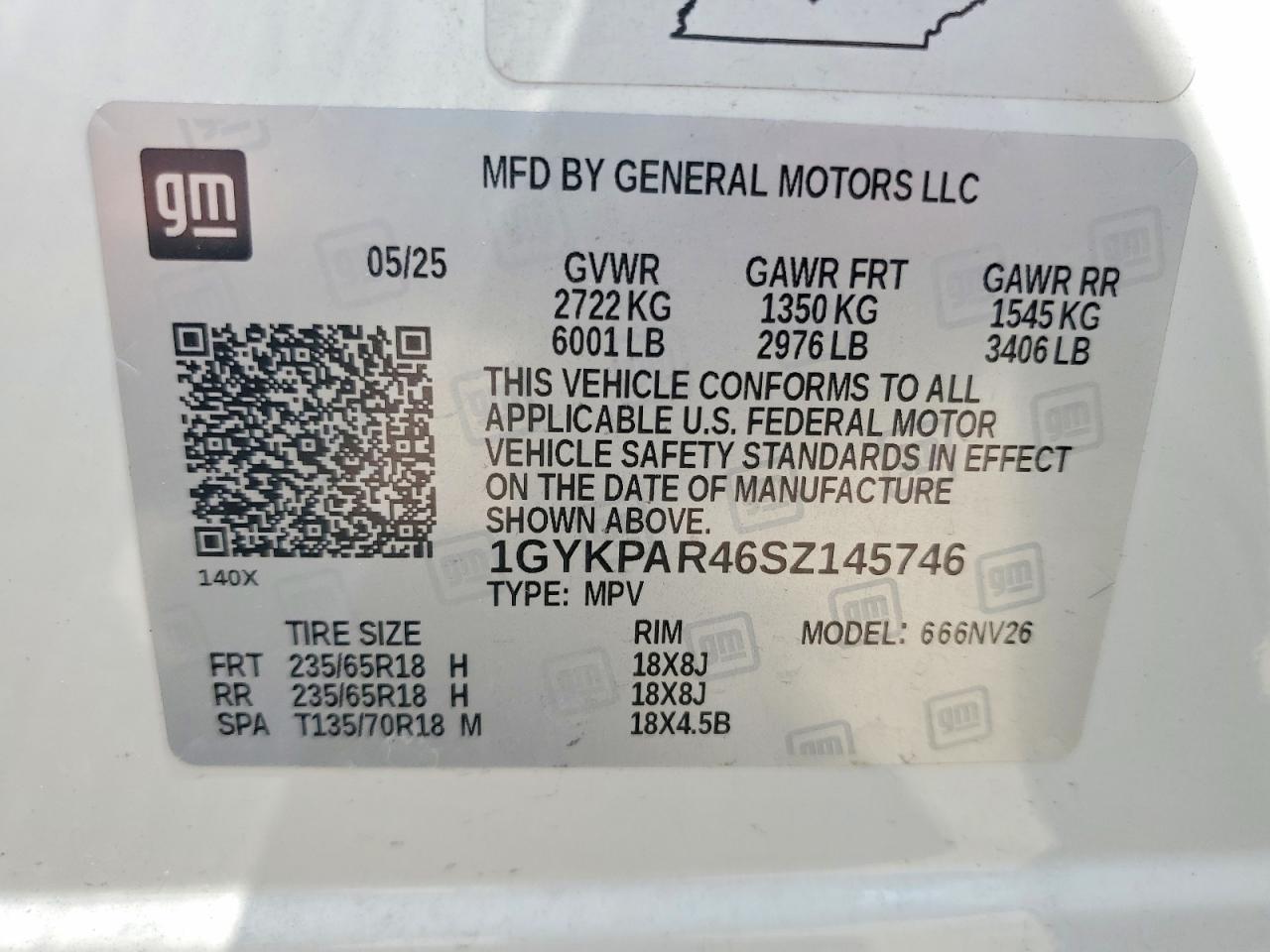
2025 Cadillac XT6 Luxury
This report includes at least one serious history item — such as a branded title, major/disabling damage, a severe collision, an odometer irregularity, or a theft record. This doesn't necessarily mean you shouldn't buy this vehicle, but it's worth understanding exactly what was found (see details below) and strongly considering a professional inspection before moving forward.
This assessment is based only on the data in this report and is not a guarantee of the vehicle's condition. Always combine this with a physical inspection and test drive.
Report at a Glance
Verified Market Value
Real transaction-based data for this specific vehicle — not a general estimate.
Vehicle Specifications
Title Status
Title & Brand History
Ownership History (2)
Vehicle History Timeline
Odometer Reading History
Service & Maintenance Records
5-Year Running Costs
Estimated cash cost by year, national averages. Year 1 includes one-time title, tax, and registration fees.
Vehicle Usage
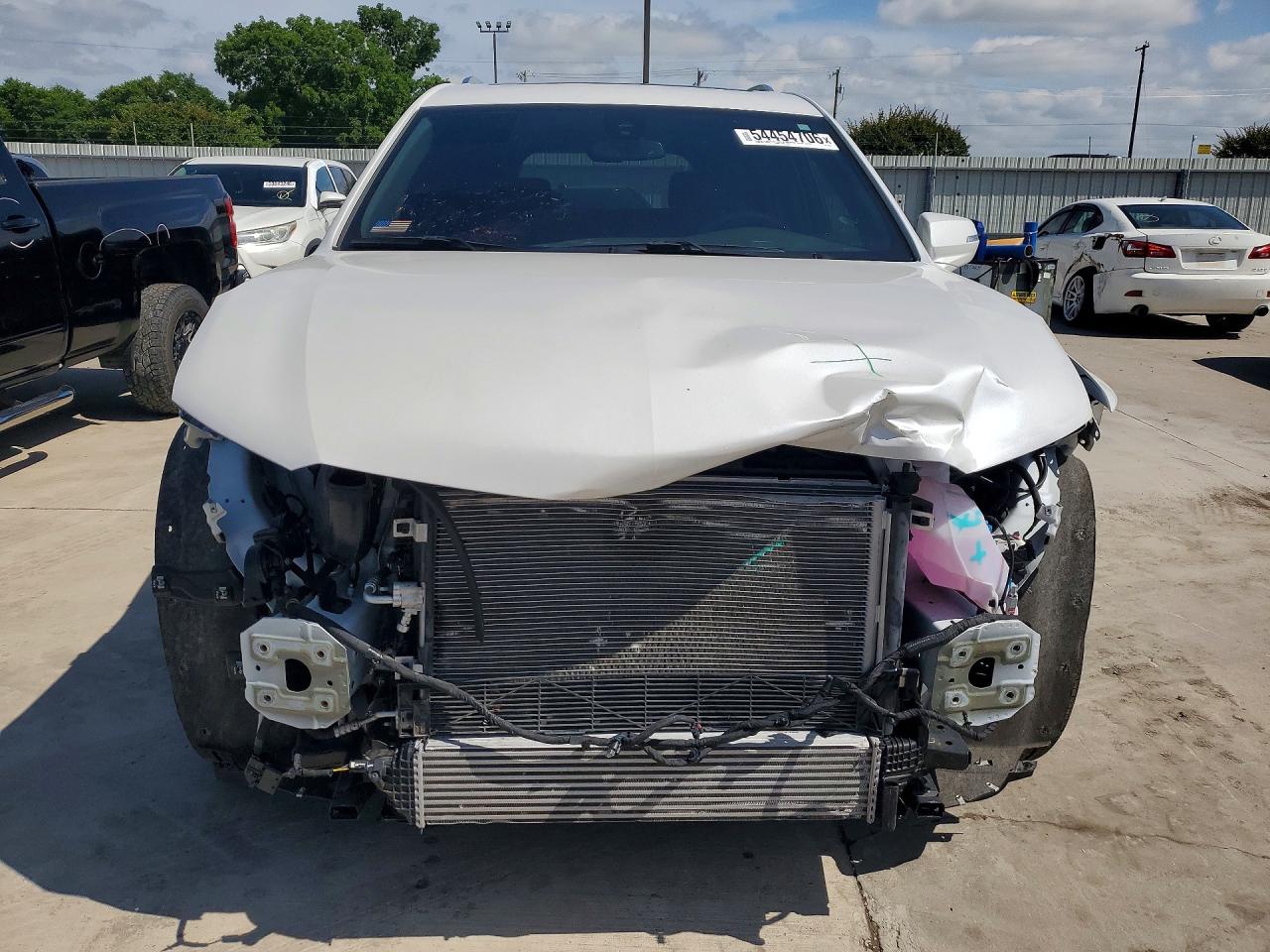
Damage & Accident History
The report or case number above may help you request it from the police department, state agency, or other agency that filed the crash record. Availability and eligibility vary by jurisdiction — as an involved party, the seller may also be able to request a copy directly.
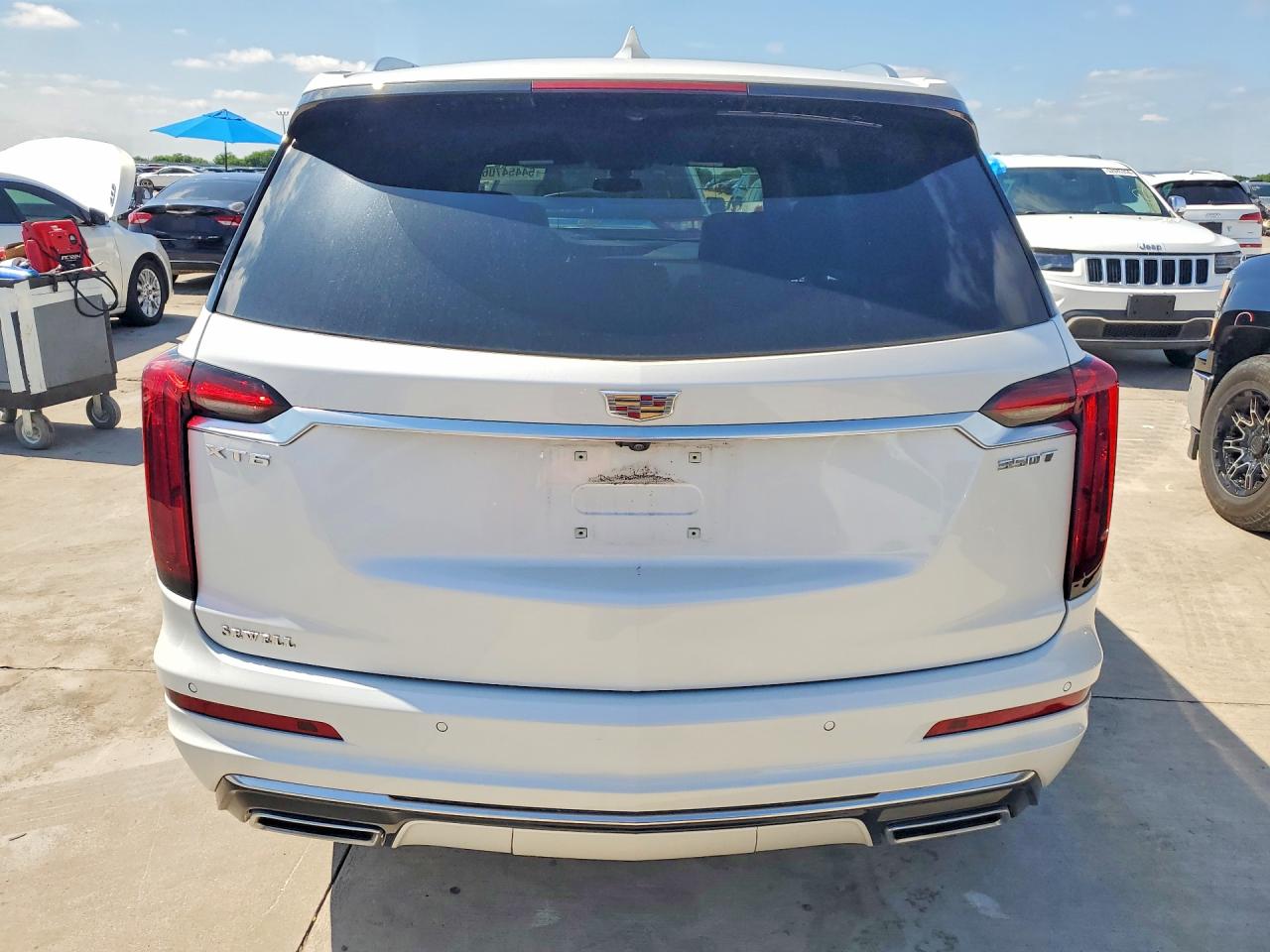
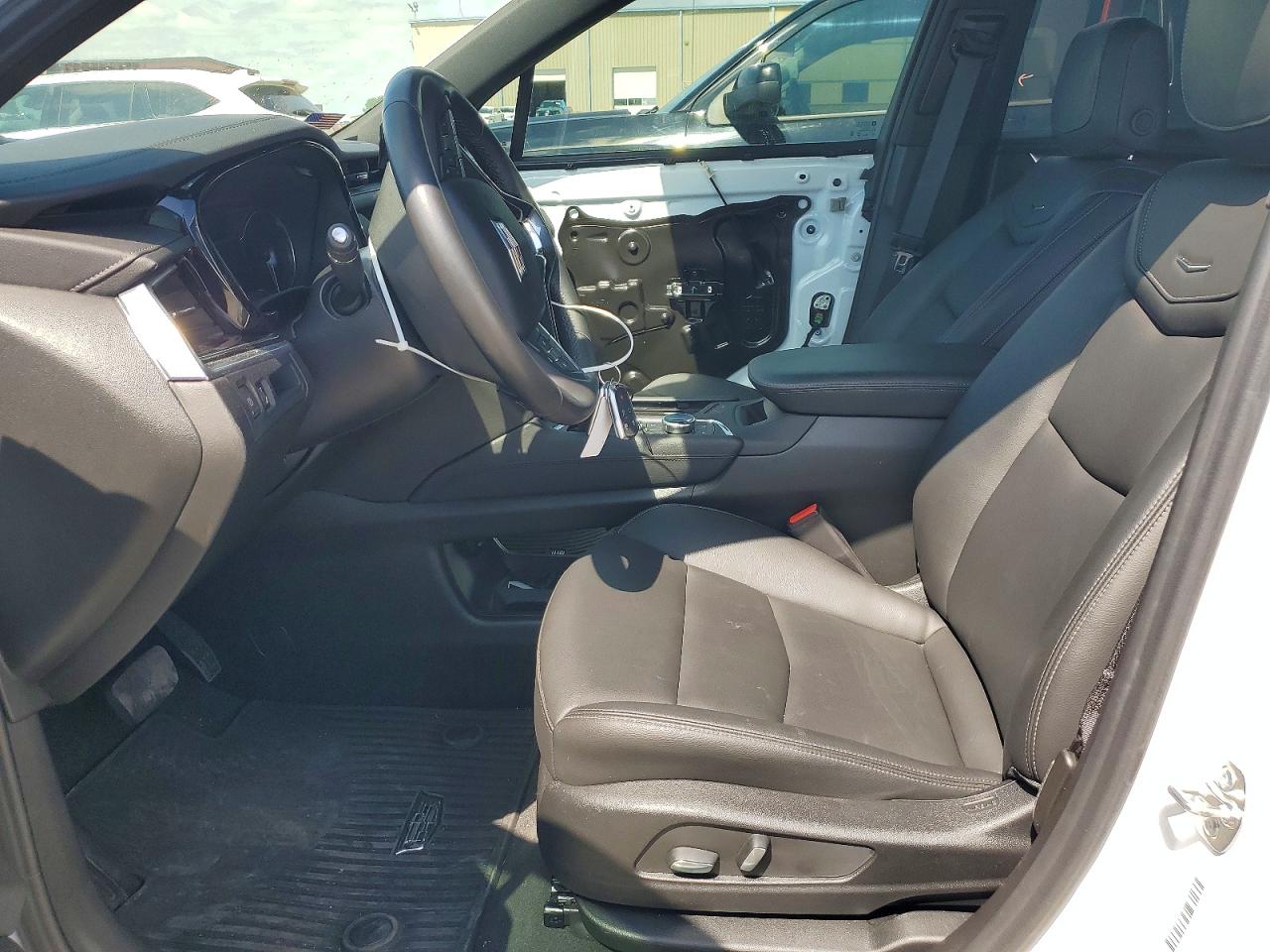
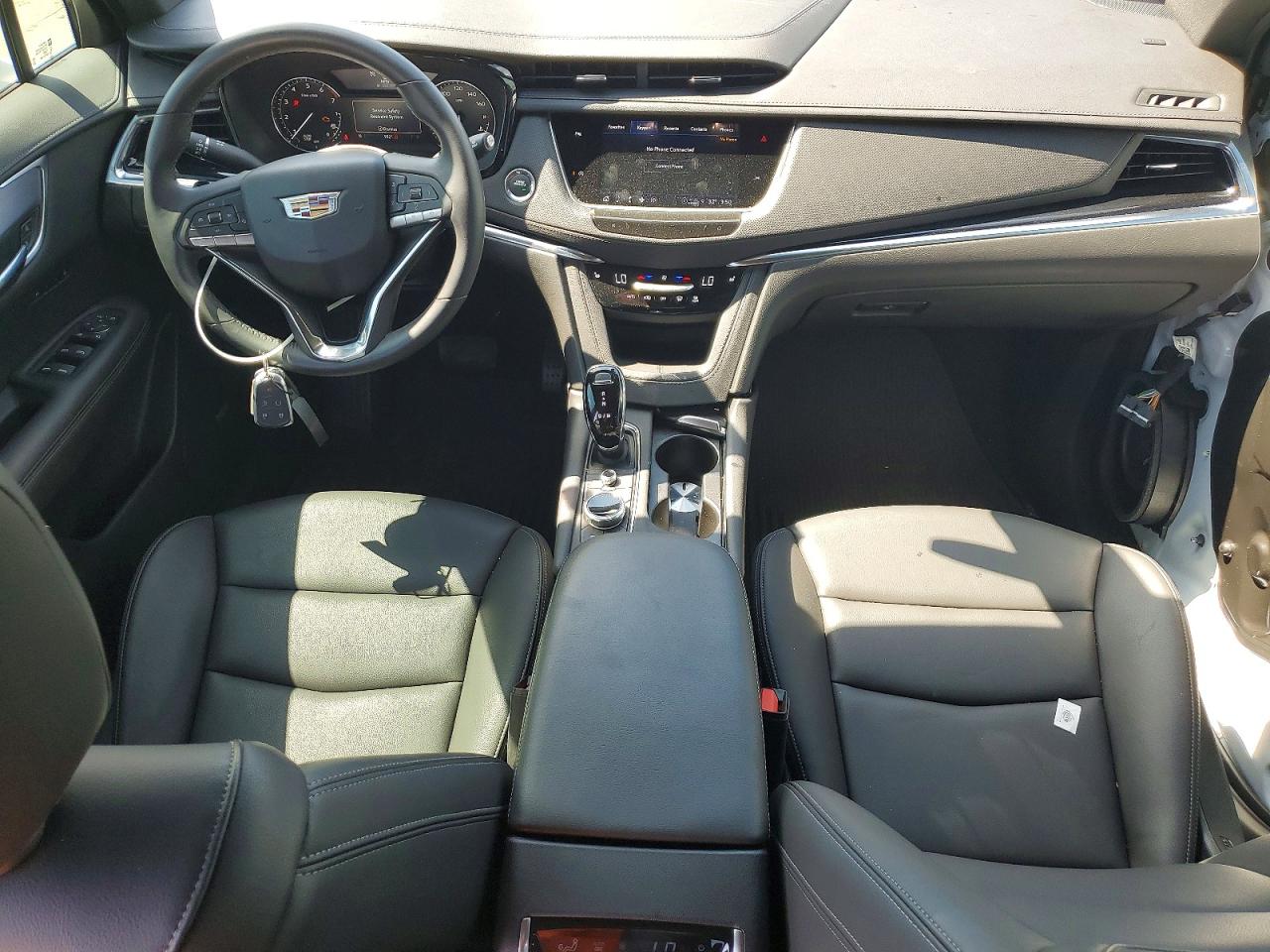
Auction History & Photos
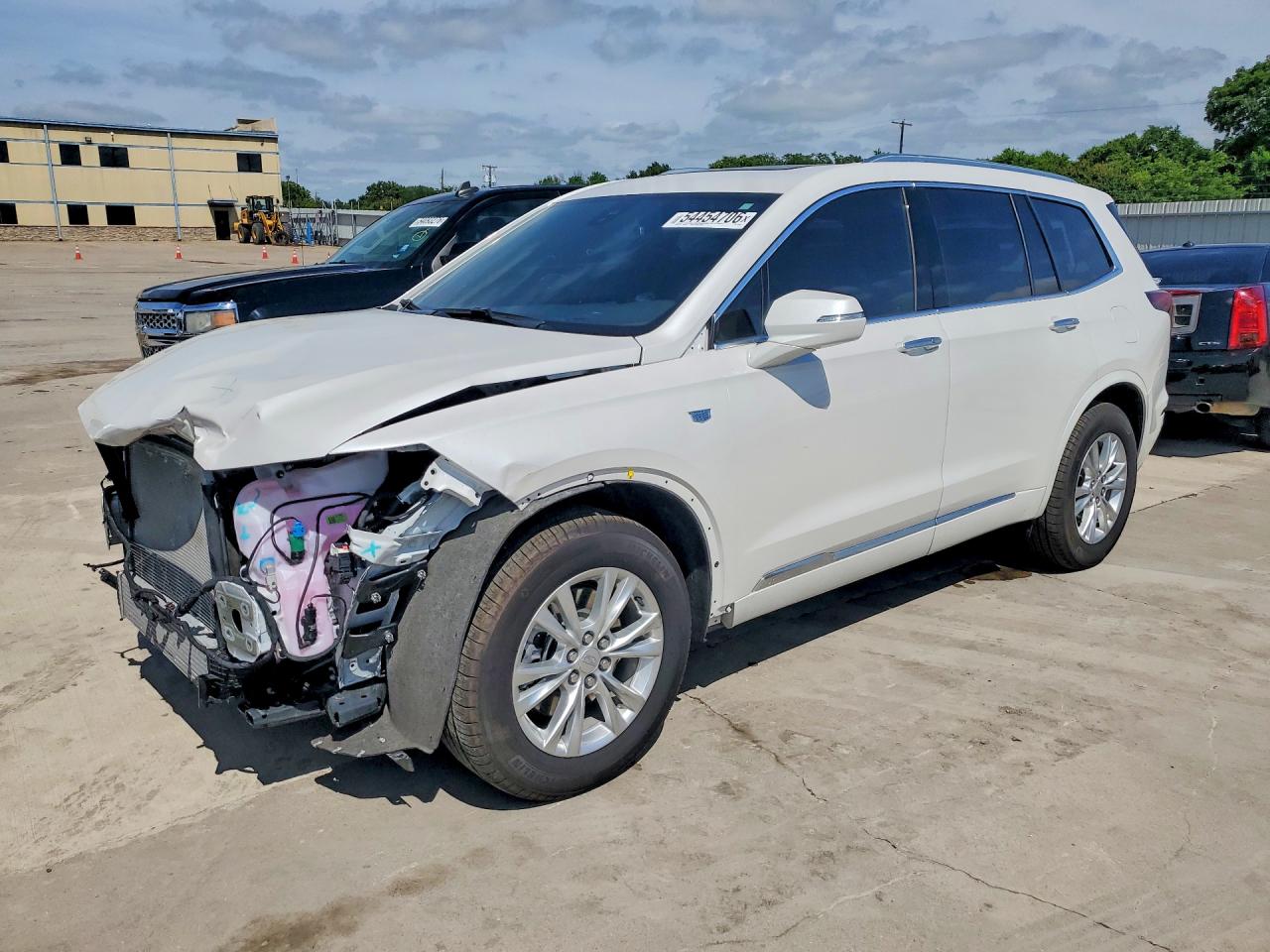
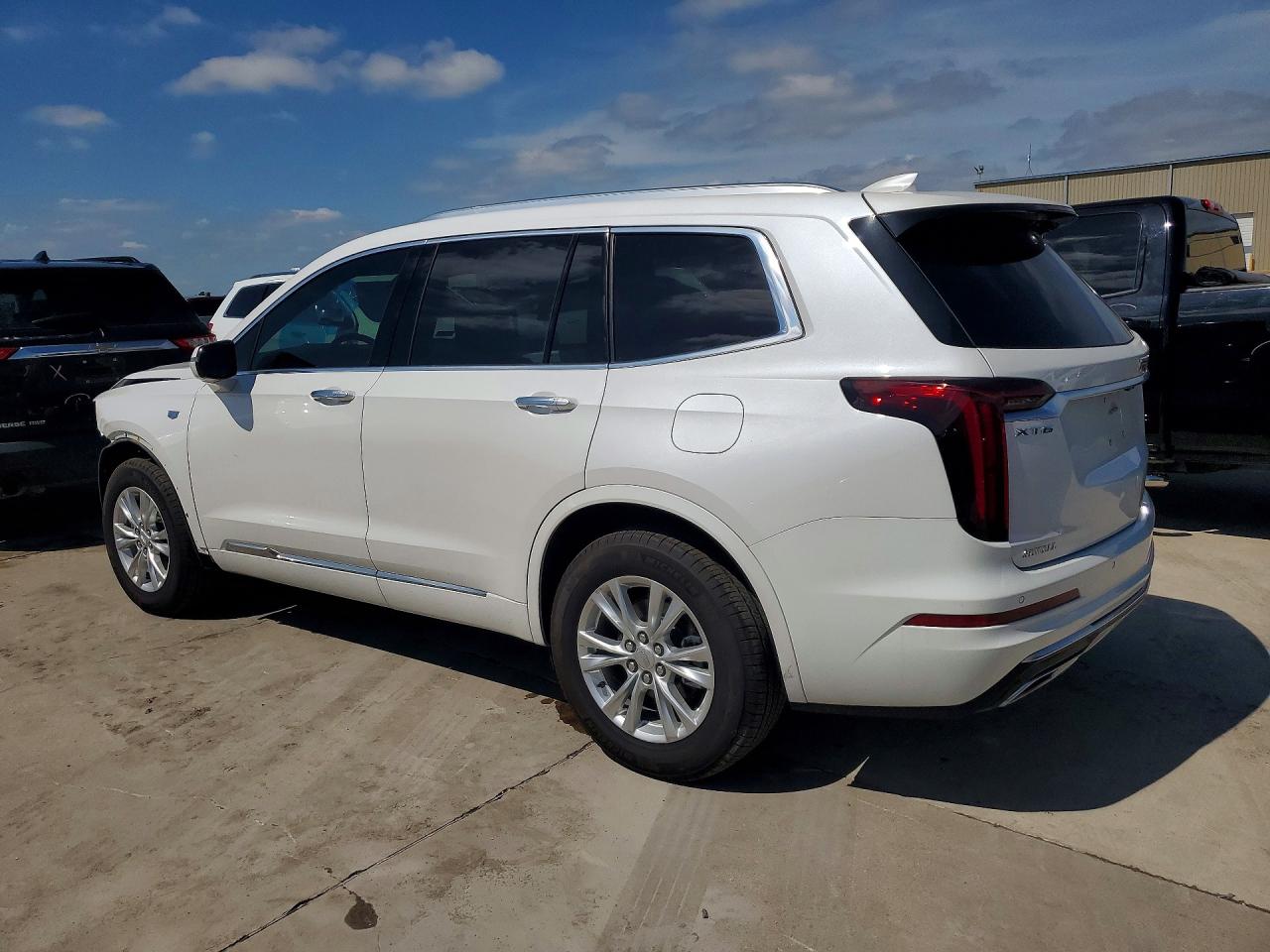
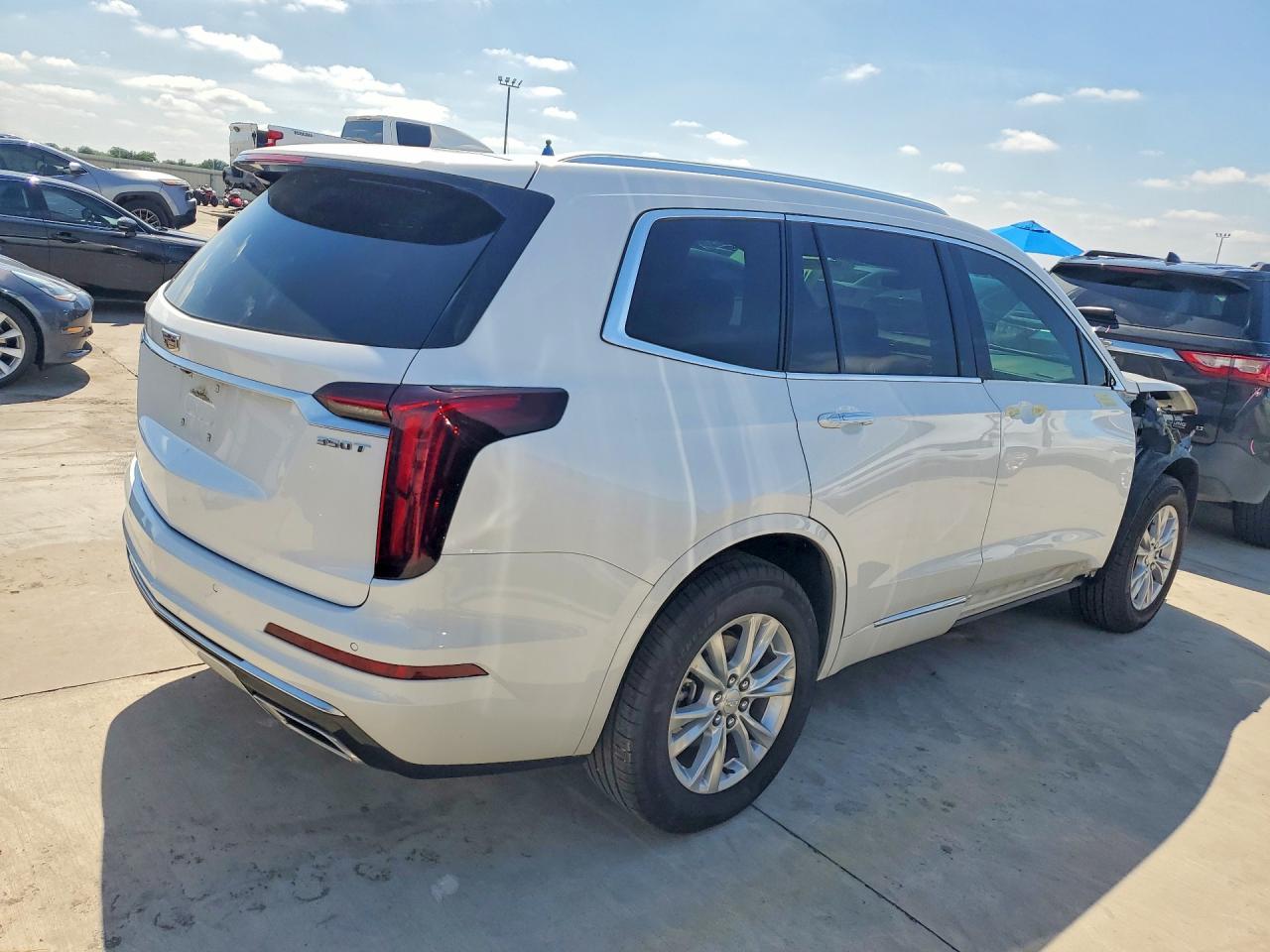
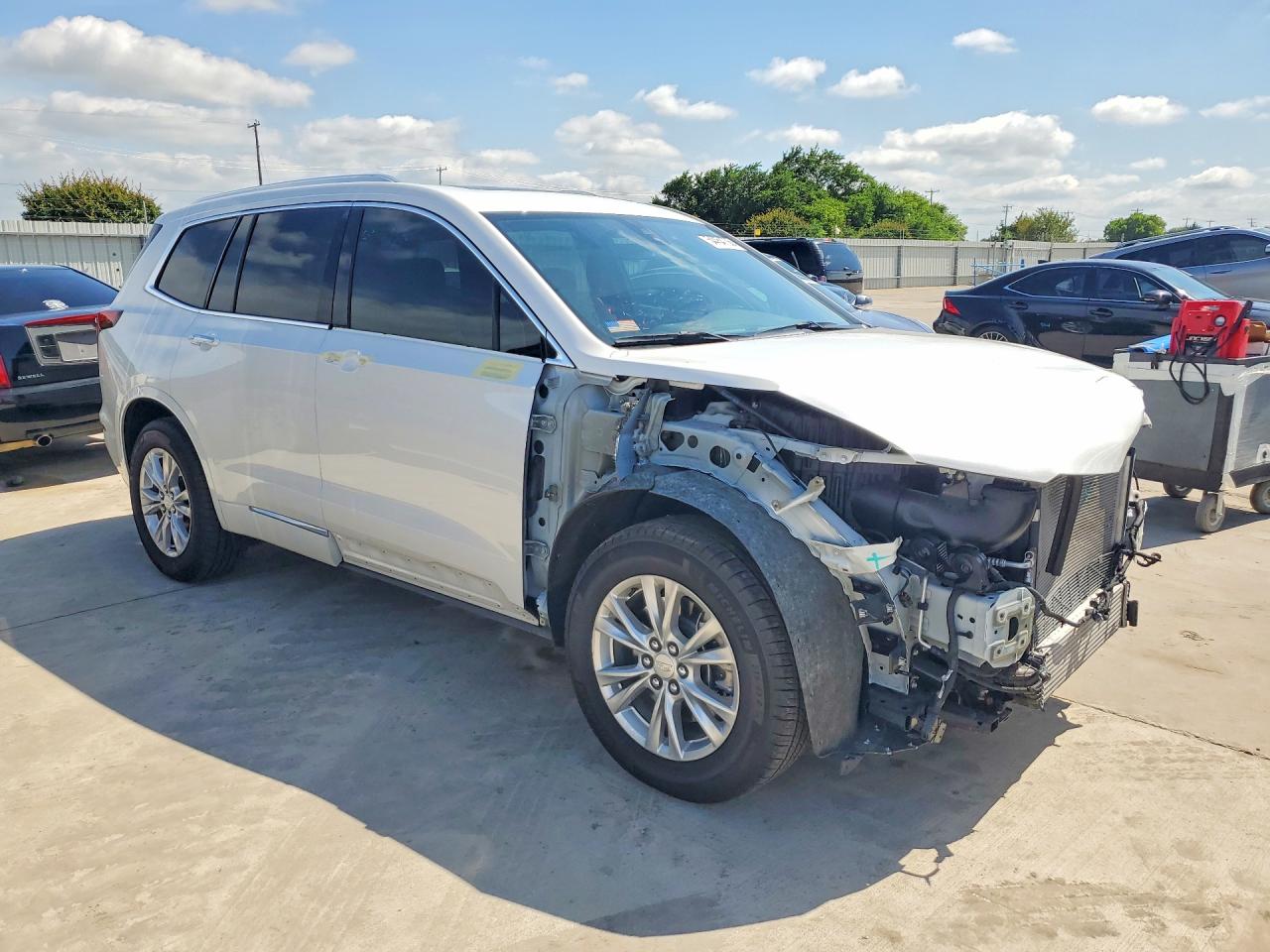
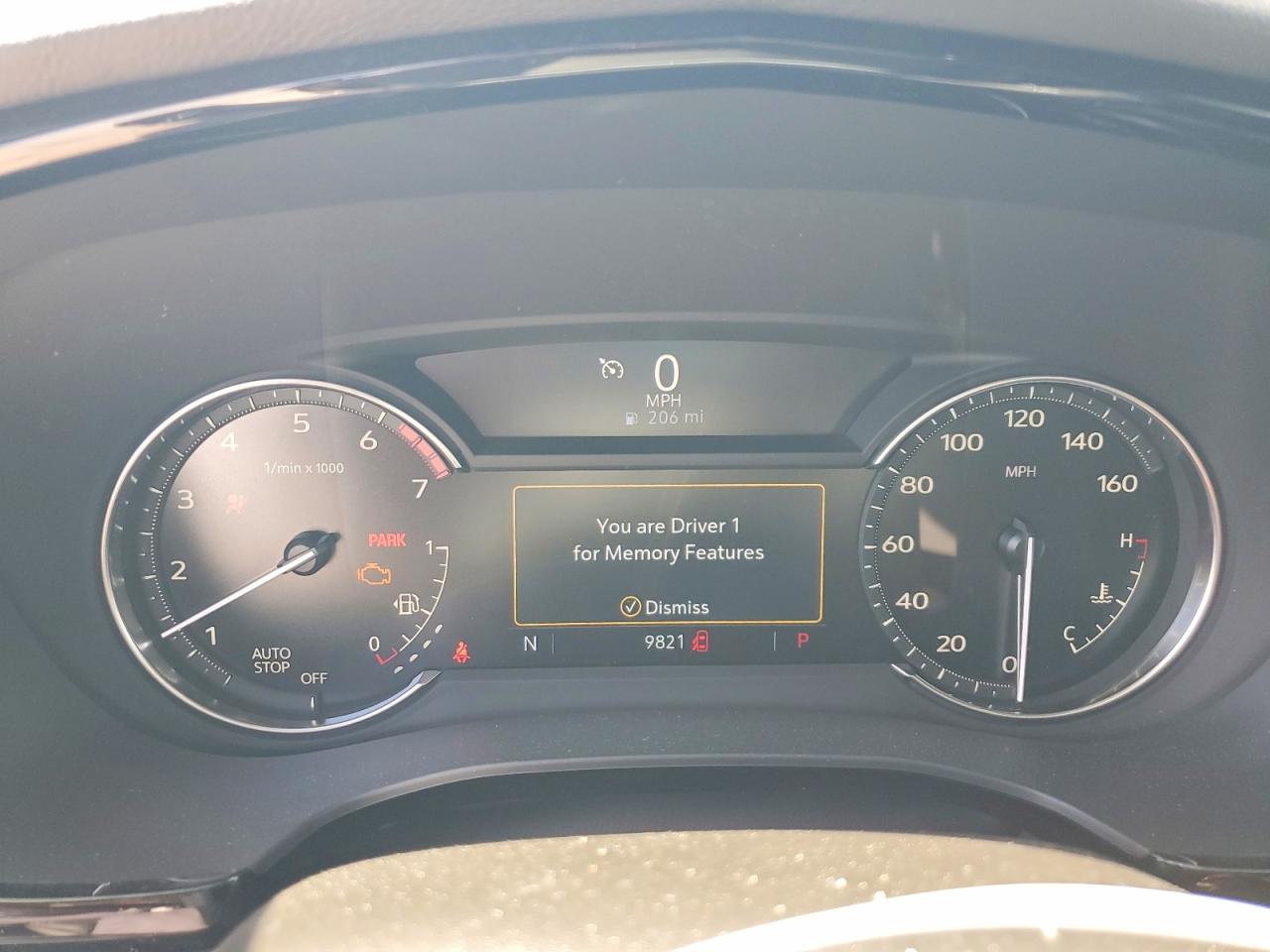
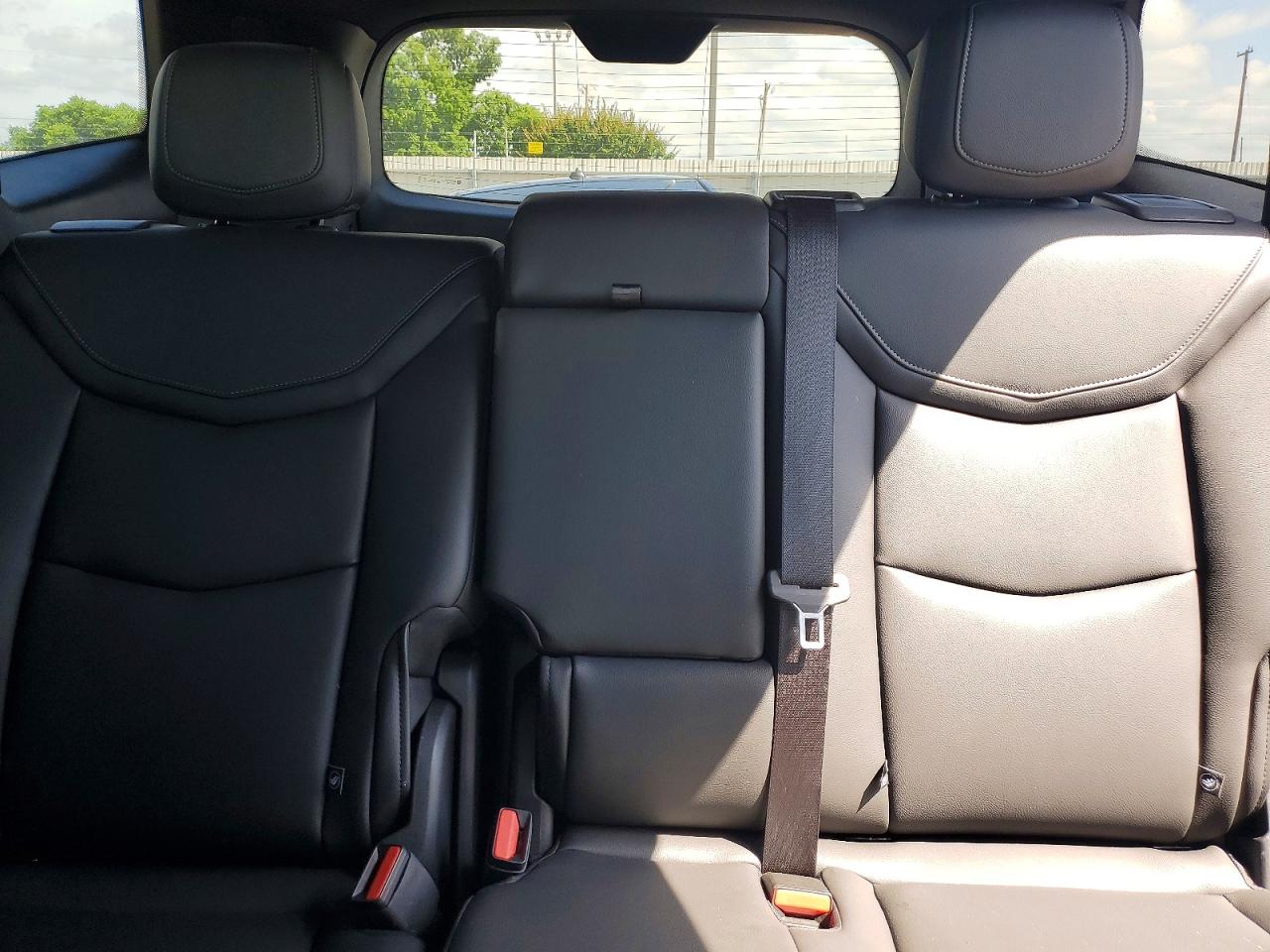
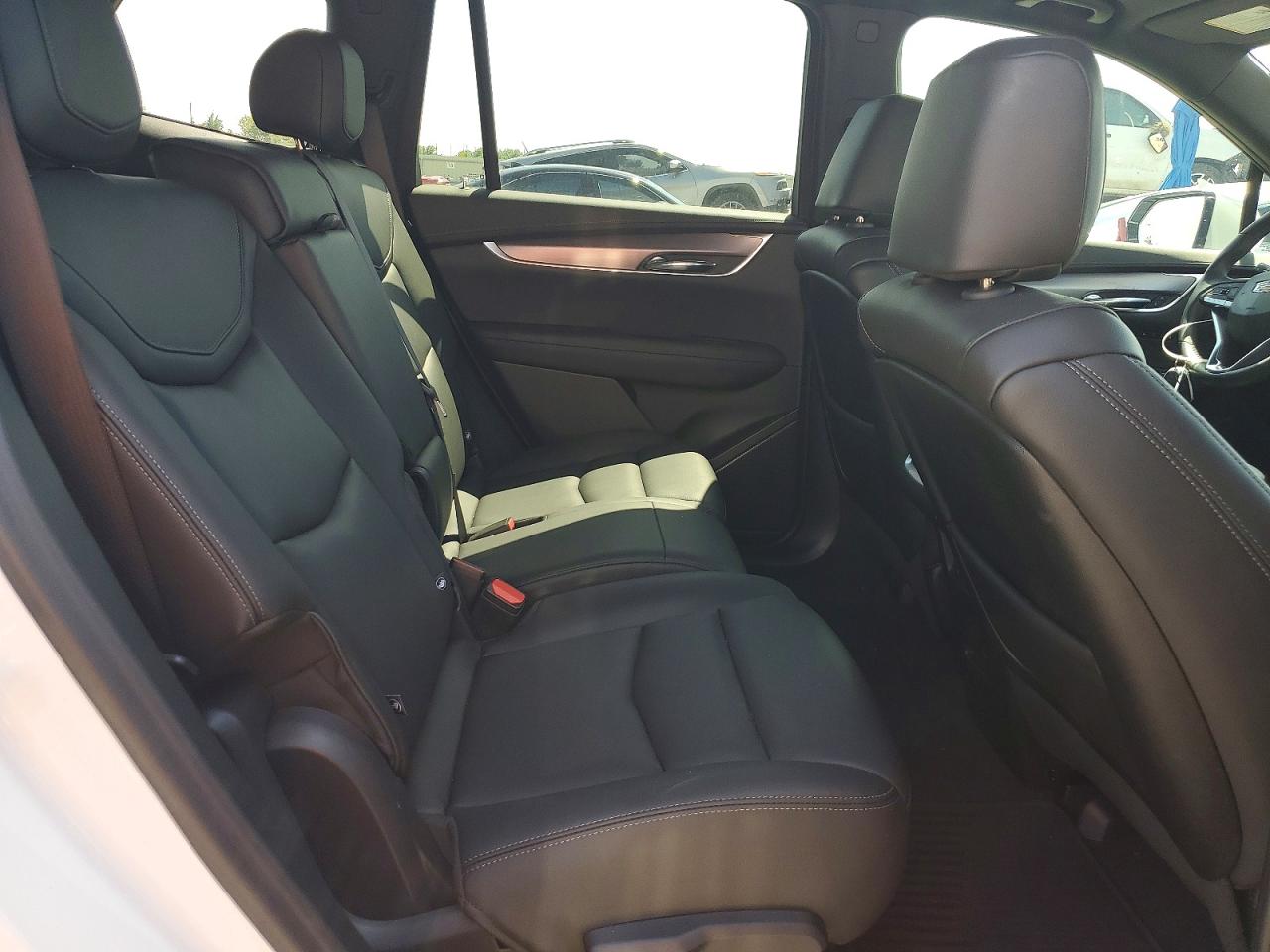
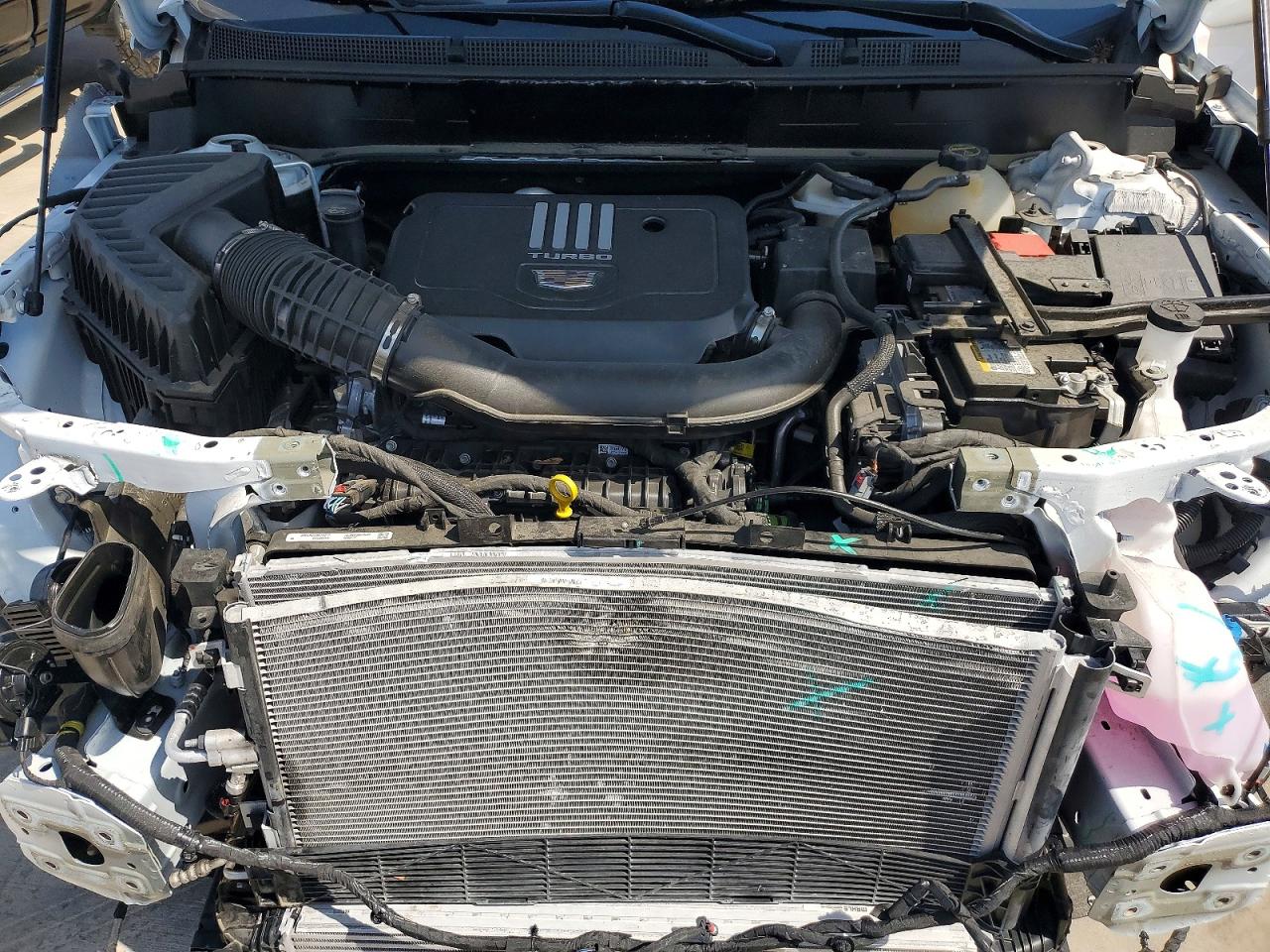
Title, Damage & Event Checks
A salvage title means an insurer declared this vehicle a total loss at some point, usually after major damage. It may have since been repaired, but insurance, financing, and resale value can all be affected. Ask for full repair documentation and consider a professional inspection before buying.
An insurance company paid a claim on this vehicle at some point. This doesn't always mean serious damage — ask the seller what happened and whether it affected the title status. Reviewing the claim details can help you understand what was repaired and how.
A lien was reported on the Nov 19, 2025 title (often an auto loan or lease, and usually routine). The later title record (Jun 27, 2026) does not show a lien. If you want to be certain, ask the seller to confirm the vehicle is lien-free.
Report data provided by TorqueNode. This report does not constitute an FCRA consumer report and may not be used for employment, credit, insurance, or housing decisions.